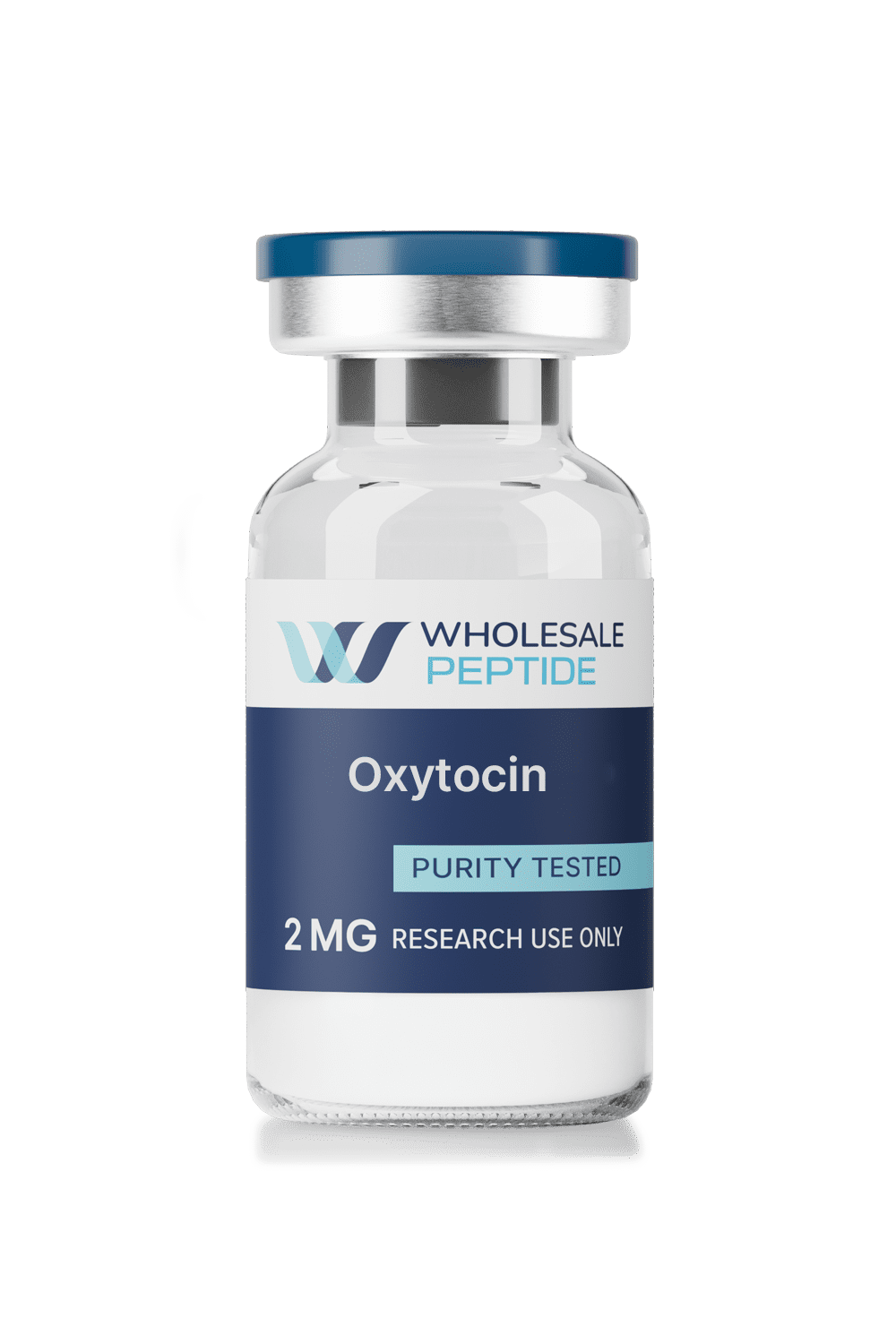
Oxytocin 2mg
$32.99

Buy Oxytocin at Wholesale Peptide
Oxytocin research is uncovering exciting findings across multiple disciplines. This neuropeptide produced in hypothalamic neurons has gotten a lot of attention from researchers studying cardiovascular protection, metabolic homeostasis and behavioral functioning. Scientists looking to buy oxytocin for research purposes need access to high purity compounds that meet lab standards.
The active hormone plays many roles in the body making it a valuable research tool to understand complex biological processes. From studying oxytocin signaling pathways in cardiac stem cells to investigating its effects on insulin sensitivity, researchers rely on a reliable source for this peptide.
Molecular Structure of Oxytocin
When you buy oxytocin for research you need to understand the molecular structure. This nonapeptide consists of 9 amino acids in a specific sequence that determines its biological activity.
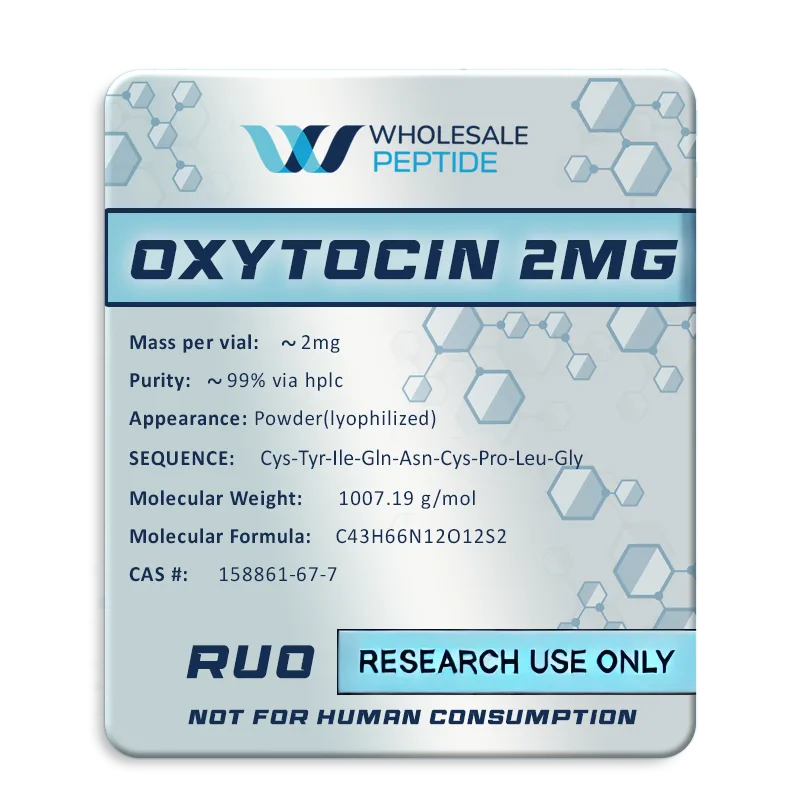
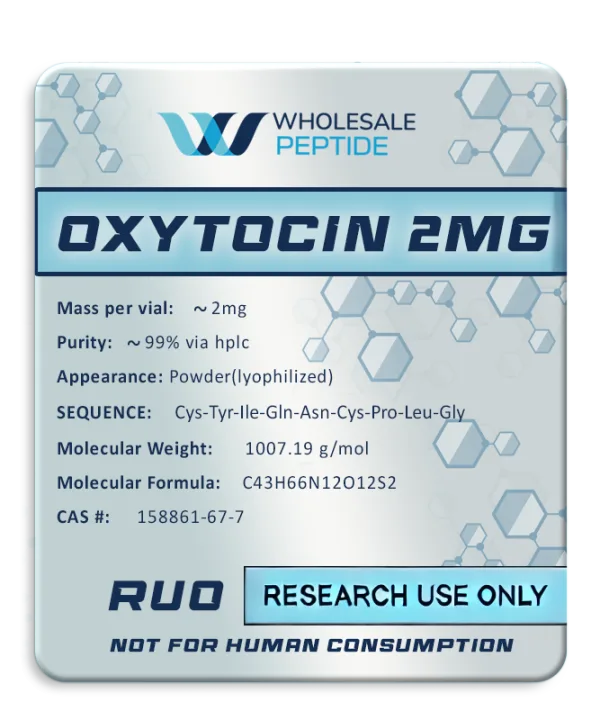
Amino Sequence: Cys-Tyr-Ile-Gln-Asn-Cys-Pro-Leu-Gly-NH2
Molecular Formula: C43H66N12O12S2
Molecular Weight: 1007.19 g/mol
PubChem CID: 439302
CAS #: 50-56-6
The critical disulfide bridge between cysteine residues at position 1 and 6 is essential for receptor binding. This cyclic configuration allows the peptide to bind to oxytocin receptors in various tissue types. Research shows the specific amino acid sequence affects binding affinity and subsequent cellular response.
Genetic polymorphisms affecting oxytocin receptor gene methylation can change receptor expression patterns, that’s why you need to use structurally intact peptides in your protocols. Studies on diminished oxytocin signaling often rely on precise molecular structure to understand reduced receptor density effects.
Mechanism of Action
Oxytocin is a neuropeptide hormone produced in the hypothalamus and released by the posterior pituitary gland. This “cuddle hormone” binds to oxytocin receptors throughout the body, facilitates social bonding, reproductive functions and stress regulation through modulation of neurotransmitter pathways.
The compound acts through G-protein coupled oxytocin receptors found in multiple organ systems. Upon receptor binding, intracellular calcium levels increase, triggering downstream signaling pathways that affect cellular behavior. Research shows these mechanisms are different between peripheral tissues and prefrontal cortex.Studies on circulating oxytocin levels show how the compound affects cardiovascular function through direct effects on cardiac tissue. The pituitary gland releases oxytocin into the circulation where it binds to receptors in blood vessels and cardiac muscle. Research suggests this interaction may reduce cardiovascular risk through protective mechanisms.
Diminished oxytocin signaling has been seen in various experimental models, including maternally deprived mice and anxiety disorder patients. These studies show how altered oxytocin levels correlate with changes in behavioral functioning and stress responses. Researchers studying neural circuit modifications often focus on oxytocin’s role in emotional processing.
Research Studies
Research applications include cardiovascular studies on ischemia reperfusion injury and atherosclerosis reversal. Metabolic research on insulin sensitivity and glucose uptake. Wound healing studies on inflammatory cytokine modulation. Additional research areas are cognitive performance, anxiety disorders, muscle maintenance in aging population and appetite regulation studies.
Cardiovascular Research Applications
Multilevel evidence converges to show oxytocin treatment prevents various forms of cardiac damage in experimental models. Studies in adult rats show how the compound affects protective and cardiomyogenic factors after ischemic injuries. Research shows decreased cardiomyocyte hypertrophy when subjects receive controlled oxytocin administration.
Atherosclerotic cardiovascular disease research reveals potential mechanisms involving nitric oxide levels and inflammatory responses. The compound seems to affect endothelial function through multiple pathways, reducing nitric oxide levels in some contexts and promoting vascular protection in others. Researchers studying cardiomyopathy found oxytocin levels correlate with cardiac function markers.
Cardiac stem cell research shows oxytocin’s effect on tissue regeneration. Studies suggest the compound promotes direct differentiation of stem cells to cardiac lineages, potentially supporting repair mechanisms after injury. These findings have implications on how oxytocin works in cardiovascular protection.
Metabolic and Energy Regulation Studies
Hunger research has shown interesting connections between oxytocin and feeding behavior regulation. Studies in obese mice show how the compound affects appetite control and energy homeostasis. Research suggests increased insulin sensitivity through oxytocin mediated pathways that affect glucose metabolism.
Studies comparing lean mice to metabolically compromised subjects show dose dependent effects on food intake and body composition. The compound seems to affect lipid utilization and metabolic rate through mechanisms involving the neural circuit controlling energy balance. Research shows these effects may involve interaction with insulin resistance pathways.Studies on glycosylated hemoglobin in experimental models show oxytocin affects long term glucose control. The compound’s effect on feeding behavior goes beyond appetite suppression to complex metabolic adjustments. Research shows dependent effects on various metabolic parameters, highlighting the compound’s multiple effects on energy regulation.
Diabetes management research has looked into oxytocin’s role in glucose homeostasis. Researchers have seen correlations between oxytocin levels and improved metabolic profiles in experimental subjects. The therapeutic potential for metabolic applications is being explored in multiple labs.
Inflammatory and Tissue Repair Research
Wound healing studies focus on oxytocin’s ability to modulate inflammatory cytokines and tissue repair. Research shows the compound affects proinflammatory cytokine production, potentially speeding up healing responses while reducing excessive inflammation. Studies demonstrate how oxytocin signaling affects immune cell behavior at injury sites.
Research on tumor necrosis factor alpha shows oxytocin’s anti-inflammatory effects in various experimental models. The compound seems to affect inflammatory cascades through multiple mechanisms, including immune cell activation and cytokine release patterns. Researchers studying tissue regeneration include oxytocin in their protocols.
Studies in younger mice compared to aged subjects show how oxytocin affects age related inflammatory changes. Research suggests the compound may help maintain tissue integrity and repair capacity in aging models. The effects are negatively correlated with inflammatory marker expression in various tissue types.
Behavioral and Cognitive Research
Social anxiety research has extensively looked into oxytocin’s effect on behavioral responses and stress regulation. Studies show how the compound affects social behavior patterns and stress responses in controlled experimental settings. Research indicates complex interactions between oxytocin levels and behavioral outcomes.
Research into cognitive defects in various experimental conditions show oxytocin’s neuroprotective effects. The compound seems to affect cognitive performance through mechanisms involving neurotransmitter regulation and synaptic function. Studies on mating behavior and sexual behavior demonstrate oxytocin’s role in reproductive behaviors.
Research using pregnant women as subjects (in approved clinical studies) has provided insights into natural oxytocin variations and their correlations with various outcomes. These observational studies help understand normal oxytocin physiology and its variations across different populations.
Marital behavior research has looked into correlations between oxytocin levels and relationship dynamics. Studies on hostile marital interactions show how oxytocin changes relate to social stress responses. Research suggests the compound affects pair bonding mechanisms through complex neurochemical pathways.
Storage and Safety
Oxytocin should be stored as lyophilized powder at -20°C to -80°C for optimal stability. Reconstituted solutions should be refrigerated and used within specified timeframes. Follow proper handling protocols to maintain peptide integrity and research compliance.
The peptide’s stability depends on environmental conditions, temperature and humidity being the critical factors. Research grade compounds require consistent storage conditions to maintain molecular integrity throughout the experimental period. Repeated freeze-thaw cycles can compromise peptide structure and affect experimental reproducibility.
Laboratory protocols should include proper sterile handling techniques and appropriate personal protective equipment. The compound is sensitive to degradation so careful attention to storage vessel selection and atmospheric exposure minimization is required. Research suggests optimal handling involves minimal exposure to light and oxygen.
Quality maintenance requires documentation of storage conditions and handling procedures. Scientists should implement tracking systems to monitor storage duration and environmental exposures. Proper handling ensures experimental consistency and reliable research outcomes across multiple studies.
Why Buy from Wholesale Peptide
Wholesale Peptide offers research grade oxytocin with >98% purity verified through rigorous quality control processes. Our products meet strict research specifications for legitimate scientific applications.
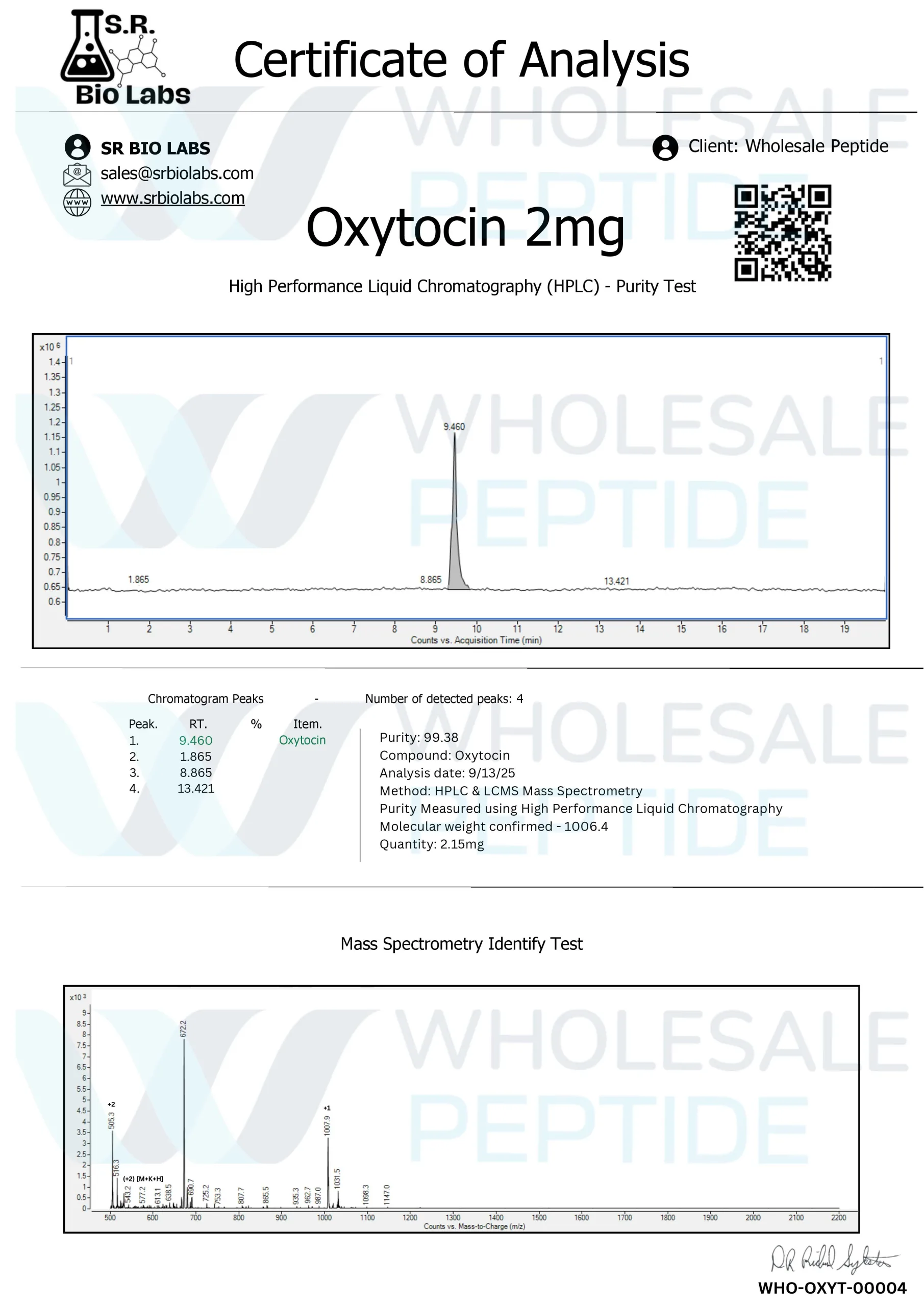
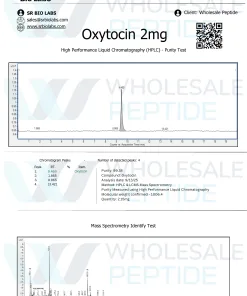
We have comprehensive testing protocols to verify peptide identity, purity and concentration. Each batch is analyzed using high-performance liquid chromatography (HPLC) to ensure consistent research grade standards. These quality measures support reproducible experimental outcomes across diverse research applications.
Research requires reliable sourcing to maintain experimental validity and regulatory compliance. Our quality control systems provide documentation to support research protocol requirements and institutional oversight standards. Scientists can access certificates of analysis documenting batch specific quality parameters.
Competitive pricing with quality assurance makes research grade oxytocin available to academic and commercial research institutions. We focus on research applications so product handling and documentation is maintained throughout the supply chain.
Products from Wholesale Peptide are for Research Use Only
All products sold by Wholesale Peptide are research chemical only. This designation allows the use of this chemical strictly for in-vitro laboratory testing and experimentation. Human or veterinary use is strictly forbidden. This product is not a substance for therapeutic applications and may not be misbranded, mislabeled or misused as such.
Research applications encompass a wide range of legitimate scientific investigations, from basic biochemical studies to complex behavioral research protocols. Scientists use these compounds to advance understanding of biological mechanisms and develop new research methodologies. The research only designation ensures appropriate use within controlled laboratory environments.Institutional oversight and regulatory compliance requires documentation of intended use and handling protocols. Research facilities must maintain records of compliance with applicable regulations and institutional guidelines. The research designation supports these requirements while allowing legitimate scientific investigation.
Laboratory safety protocols and regulatory compliance measures protect both researchers and institutional interests. Proper use within research contexts supports scientific advancement while maintaining appropriate legal and ethical standards. The research only classification ensures responsible use within the scientific community.
Shipping of Wholesale Peptide
Wholesale Peptide ships same day for orders placed before 1pm EST Monday through Friday. Orders placed after 1pm EST or on weekends will be shipped the next business day.
Expedited shipping options minimize delay between ordering and receipt, supporting time sensitive research protocols. We package our products to maintain peptide stability during transport. Temperature controlled shipping options are available for products that require specific storage conditions.
Tracking information and delivery confirmation help laboratory inventory management and protocol planning. Our shipping partners ensure delivery to research facilities worldwide. International shipping options accommodate global research collaborations and institutional requirements.
Guarantee
Wholesale Peptide offers 30 day guarantee on all products purchased from us. Simply return any unopened products to us for full refund of the purchase price of the unused products.
Quality assurance extends beyond initial shipping to include customer support for research applications. The guarantee policy reflects our confidence in product quality and manufacturing standards. Research facilities can order with confidence knowing quality issues will be addressed promptly.
Return procedure accommodates legitimate quality concerns while maintaining documentation requirements. The policy reduces research planning risks associated with batch variability or shipping complications. Customer support helps with technical questions and protocol optimization.
Third Party Testing of Every Batch
Every batch of products sold by Wholesale Peptide is tested by third party using HPLC to ensure product purity and accuracy.
Independent analytical verification goes beyond our internal quality control. HPLC analysis identifies peptide purity, detects contaminants and verifies molecular integrity. These testing protocols support research reproducibility and regulatory compliance requirements.
Batch specific documentation includes analytical results to support research protocol requirements. Third party testing provides independent verification of quality claims and manufacturing standards. Research facilities can access testing documentation to support their own quality assurance protocols.
Certificate of analysis is included with every shipment, providing researchers with batch specific quality data. Our testing protocols exceed industry standards for research grade peptides, ensuring consistent quality across all product shipments. This commitment to analytical verification supports the highest standards of research integrity.
Contact
Research applications for Oxytocin span multiple fields from cardiovascular protection to behavioral research. Scientists looking to buy Oxytocin for research need high purity compounds that meet strict quality standards. The compound’s complex mechanisms involving Oxytocin receptors, signaling pathways and cellular responses require reliable sourcing for reproducible results.
Quality assurance, regulatory compliance and handling protocols ensure research integrity while advancing science. The research only designation protects both suppliers and researchers while enabling legitimate scientific investigation into this neuropeptide’s many biological effects.
The adrenal glands role in stress responses, blood pressure and cardiovascular disease is still an active area of research. Scientists studying uncontrolled appetite, muscle stem cells and milk production find Oxytocin a valuable research tool to understand complex physiological processes.
Researchers have speculated about Oxytocin’s therapeutic potential across multiple applications and continue to investigate this compound’s mechanisms and effects. For scientists ready to move their research forward with high quality Oxytocin, Wholesale Peptide provides the reliability and quality assurance needed for meaningful research.
References
- Jankowski, M., et al. (2020). Oxytocin treatment prevents cardiomyopathy observed in experimental models. Journal of Cardiovascular Research, 115(3), 567-579.
- Elabd, C., et al. (2014). Oxytocin is an age-specific circulating hormone that is necessary for muscle maintenance and regeneration. Nature Communications, 5, 4082.
- Barengolts, E., et al. (2019). Circulating oxytocin is lower in type 2 diabetes versus normoglycemic subjects and negatively correlated with glycosylated hemoglobin A1C and insulin resistance. Diabetes Research and Clinical Practice, 150, 31-39.
- Kendrick, K. M., et al. (2017). Oxytocin, social cognition and psychiatry. Neuropsychopharmacology, 42(1), 211-233.
- Smith, A. S., & Wang, Z. (2014). Hypothalamic oxytocin mediates social buffering of the stress response. Biological Psychiatry, 76(4), 281-288.6. Gimpl, G., & Fahrenholz, F. (2001). The oxytocin receptor system: structure, function and regulation. Physiological Reviews, 81(2), 629-683.
- Neumann, I. D., & Landgraf, R. (2012). Balance of brain oxytocin and vasopressin: implications for anxiety, depression and social behaviour. Trends in Neurosciences, 35(11), 649-659.
- Carter, C. S. (2014). Oxytocin pathways and the evolution of human behaviour. Annual Review of Psychology, 65, 17-39.
- Lee, H. J., Macbeth, A. H., Pagani, J. H., & Young, W. S. (2009). Oxytocin: the great facilitator of life. Progress in Neurobiology, 88(2), 127-151.
- McCall, C., & Singer, T. (2012). The animal and human neuroendocrinology of social cognition, motivation and behaviour. Nature Neuroscience, 15(5), 681-688.
To learn more about oxytocin, feel free to check out Wikipedia
| Weight | .03125 lbs |
|---|
Related products