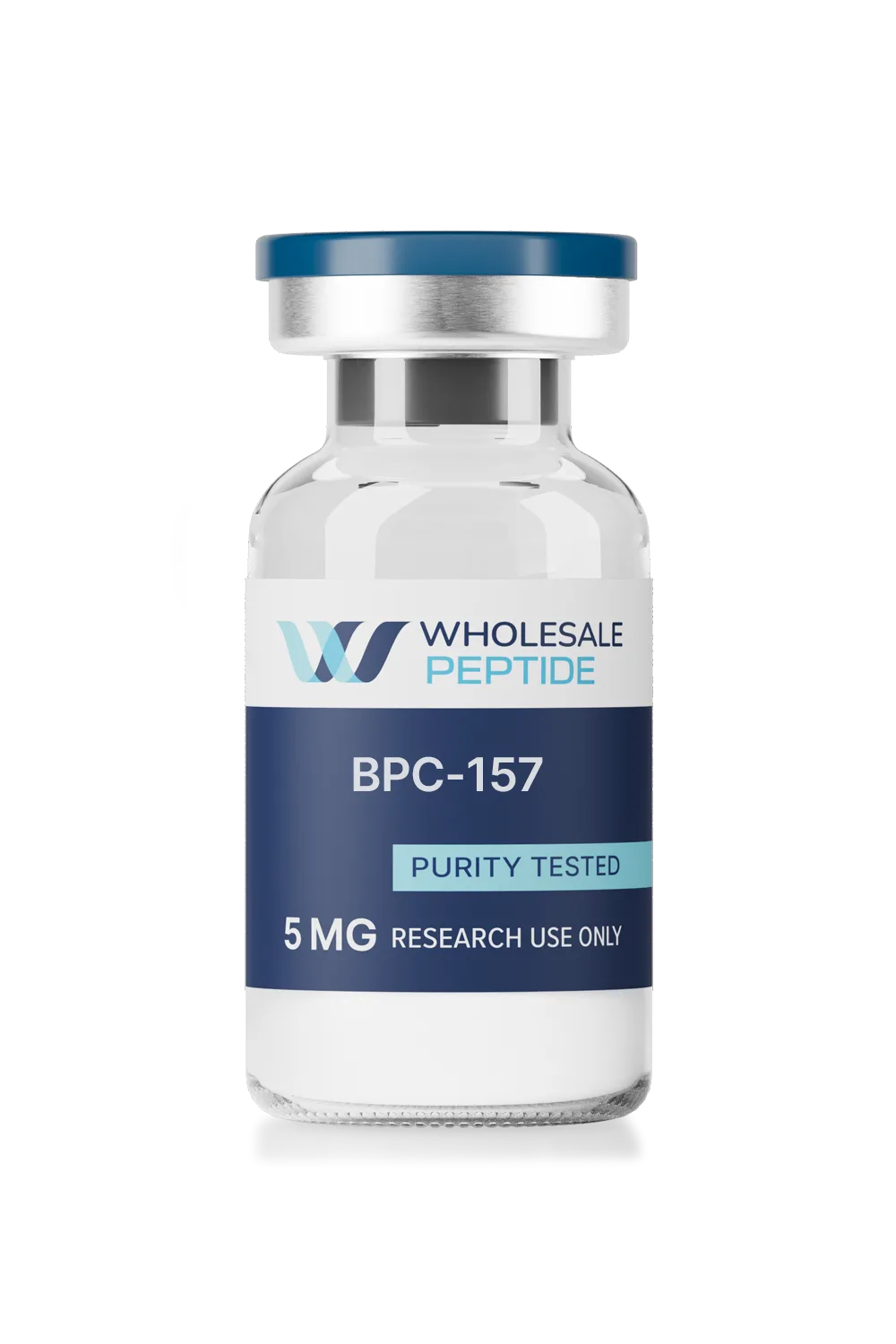
BPC-157 5mg
$38.99

32 in stock
Buy BPC-157 at Wholesale Peptide
BPC-157 is a fascinating synthetic peptide that has got a lot of attention in research labs worldwide. This 15 amino acid compound, originally found in human gastric juice, has been studied extensively in preclinical models due to its unique molecular properties and effects in various experimental models. For researchers who want to buy BPC-157 for their studies, understanding the compound’s characteristics and sourcing considerations is key to successful outcomes.
The synthetic nature of research grade BPC-157 allows for consistent lab use, but researchers must consider quality, purity and supplier reliability when purchasing this peptide for their research. As interest in tissue regeneration and healing mechanisms grows in the scientific community, access to high quality research compounds becomes more and more important to advance our understanding of these complex biological processes.
Molecular Structure of BPC-157
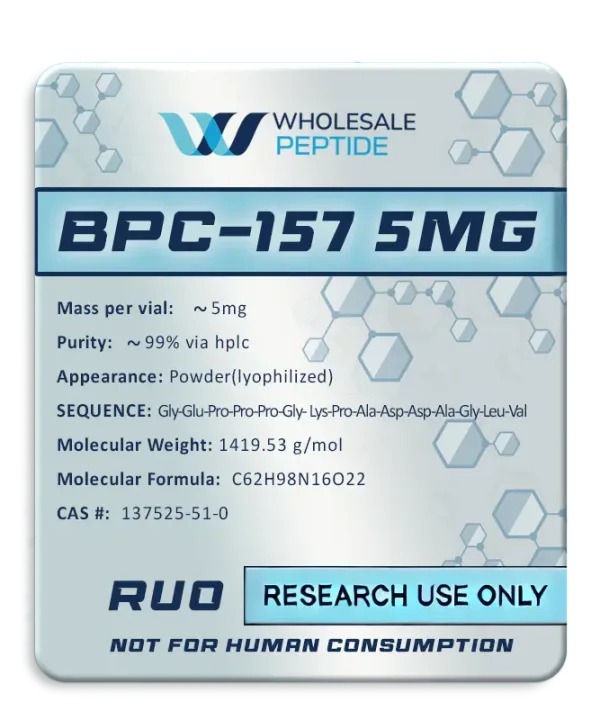
BPC-157, also known as Body Protection Compound 157, has a precise molecular structure that defines its research applications. The peptide consists of exactly 15 amino acids in the following sequence:
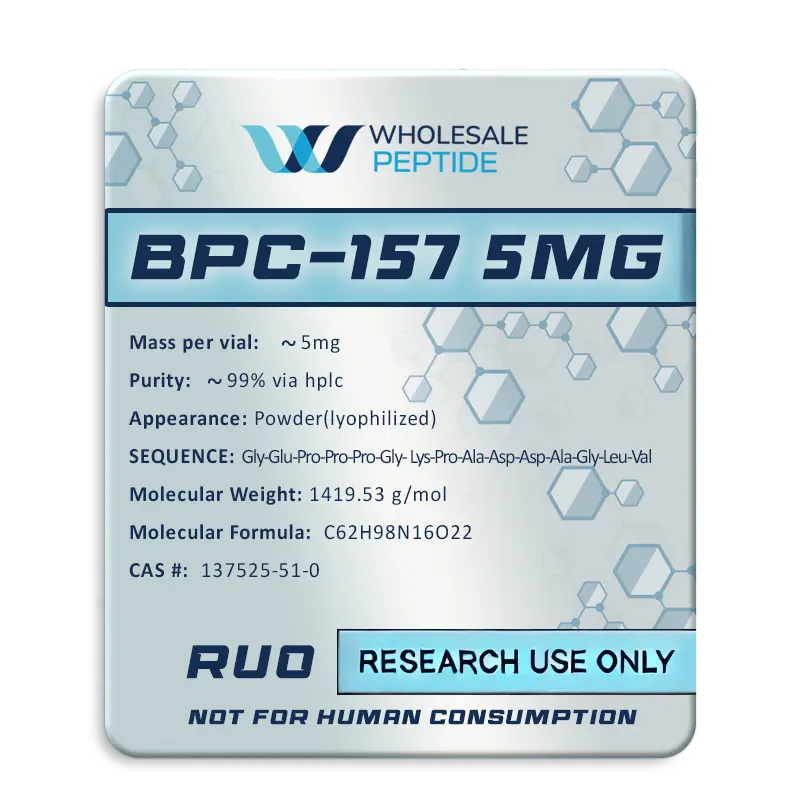
Amino Sequence: Gly-Glu-Pro-Pro-Pro-Gly-Lys-Pro-Ala-Asp-Asp-Ala-Gly-Leu-Val
Molecular Formula: C62H98N16O22
Molecular Weight: 1419.53 g/mol
PubChem CID: 9941379
CAS Number: 137525-51-0
This specific molecular structure gives BPC-157 its stability properties, including resistance to enzymatic degradation and hydrolysis. Research shows this makes the peptide ideal for lab research on tissue repair mechanisms and cellular responses. The stable gastric pentadecapeptide BPC structure allows researchers to run long studies without degradation concerns, a critical factor when designing protocols.
The peptide’s molecular weight of 1.42 kDa is in the optimal range for cellular uptake studies and tissue penetration research. Many studies have used this molecular structure to study how synthetic peptides interact with biological systems at the cellular level.
Mechanism of Action
Research on BPC-157’s biological mechanism shows multiple ways this peptide affects cellular processes. Animal studies have shown that the compound seems to stimulate nitric oxide synthesis, a process essential for blood vessel formation and tissue healing in experimental models.Lab research shows BPC-157 promotes cell proliferation of cells involved in tissue repair, particularly tendon fibroblasts and endothelial cells that form new blood vessels. The peptide shows pro-angiogenic effect by upregulating standard angiogenic growth factors, including VEGF-A which research shows is crucial in the healing process.
Western blotting in experimental models has shown BPC-157 affects the FAK paxillin pathway, leading to increased cell migration and tissue regeneration. Research suggests the compound modulates inflammatory response, potentially through cytokine regulation, to create a more favorable healing environment in lab models.
Studies have shown BPC-157 has cytoprotective properties, supporting cell survival under stress. The peptide’s effects extend to growth hormone receptor and dopamine system in experimental models, implying broader physiological implications for research applications.
Animal studies show the compound promotes extracellular matrix proteins production and collagen deposition, essential for proper wound healing and dermal remodeling. These mechanisms together contribute to faster healing in various tissue types.
Research Studies
Extensive animal studies have been done on BPC-157 across multiple tissue types and injury models. Research shows the peptide is versatile in promoting healing in different biological systems, from gastrointestinal tract healing to tendon repair mechanisms.
Clinical studies in rodent models have shown faster healing in various tissues, including tendons, ligaments, muscle, skin, bones and organs in the gastrointestinal tract. Animal studies on tendon healing have shown increased tendon outgrowth and better recovery in Achilles tendon injury models. These studies suggest BPC-157 therapy may hold clues to tissue regeneration.
Research on gastrointestinal healing has shown very promising results, with studies showing protective effects against inflammatory bowel disease models and faster GI tract recovery from traumatic injuries. The peptide’s origin from gastric juice correlates with these observed GI protective effects in experimental models.
Bone healing research has shown faster recovery in fracture models, while studies on nervous system applications suggest neuroprotective effects. Many studies have looked into the compound’s effect on liver function and recovery from stress induced lesions, implying broad therapeutic potential across multiple organ systems.
Importantly, animal studies have not shown significant toxicity at tested concentrations, but researchers emphasize that safety profiles are limited to preclinical studies. The lack of human clinical studies is a major knowledge gap that still limits our understanding of the peptide’s full therapeutic potential.Research on alkali burn wound healing has shown faster recovery, muscle injury studies have shown better regeneration and shorter recovery time. These results together suggest BPC-157’s mechanisms may hold clues for new tissue repair and regeneration therapy.
Storage and Safety
BPC-157 has excellent stability properties making it ideal for lab research. The peptide remains stable at room temperature for extended periods, no need for special storage conditions that can complicate experimental protocols. This stability is a big plus for researchers who need consistent compound integrity throughout their study period.
The peptide’s resistance to enzymatic degradation and hydrolysis contributes to its research utility, allowing for various experimental approaches including cell culture and tissue bath studies. Research shows these stability properties give consistent results across different lab conditions and timeframes.
For research use, proper handling protocols should include standard lab safety procedures for peptide compounds. While animal studies have not shown concerning toxicity at tested concentrations, researchers should follow proper safety protocols as per research chemical handling guidelines.
The compound’s stability allows for preparation of stock solutions that remain stable over time, making experimental design more flexible. This is important for researchers doing dose-response studies or long term treatment protocols in their studies.
Storage recommendations include storing the peptide in lab conditions with proper labeling and documentation as per research chemical management practices. The stability of BPC-157 reduces the worry about degradation that may compromise experimental results or require frequent reordering.
Why Buy from Wholesale Peptide
Wholesale Peptide has several advantages for researchers who want to buy BPC-157 for their research. The company offers rapid fulfillment so research timelines are not interrupted, same day shipping for orders placed before 1 PM EST Monday to Friday. This helps researchers to maintain experimental continuity and meet project deadlines.
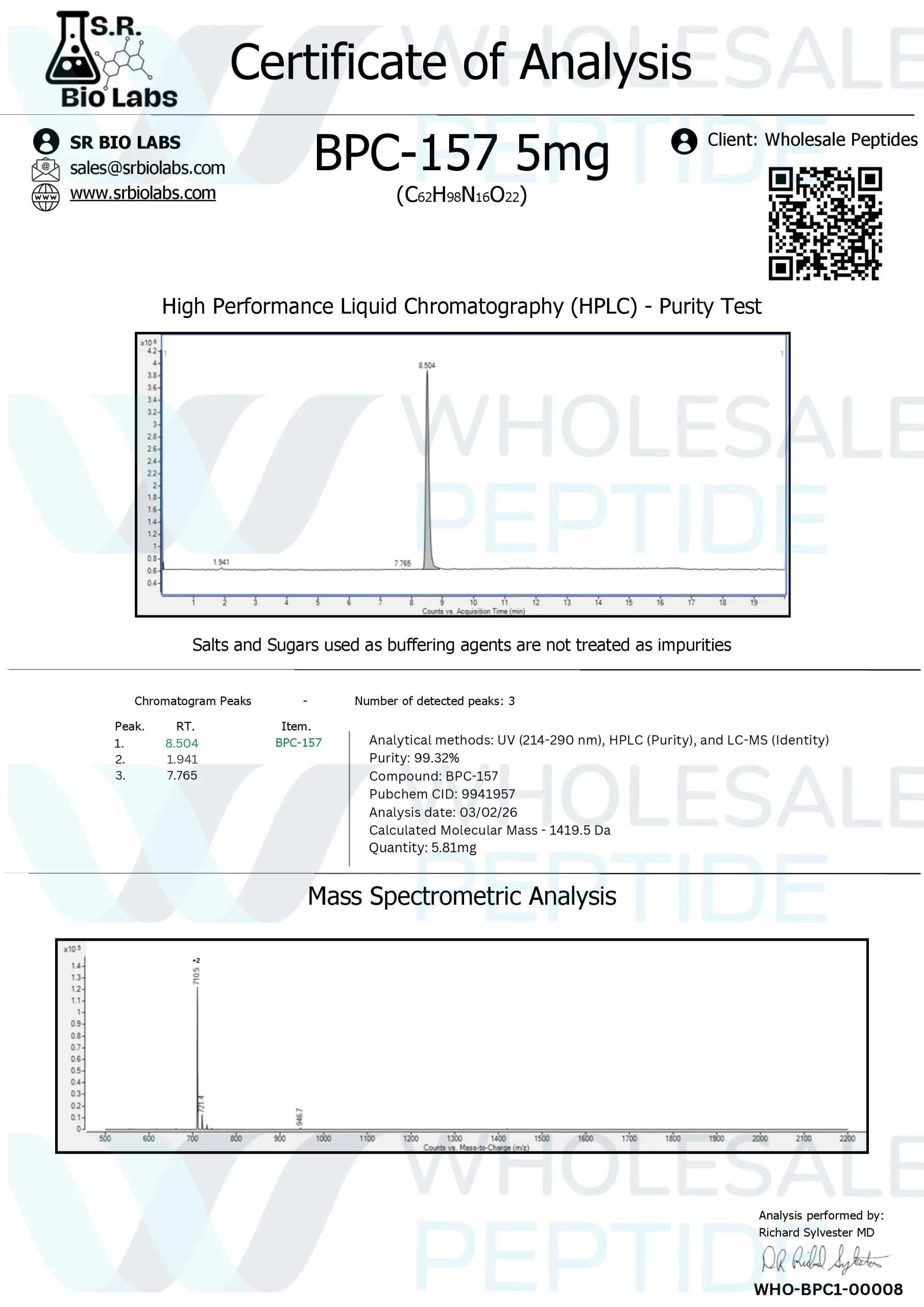
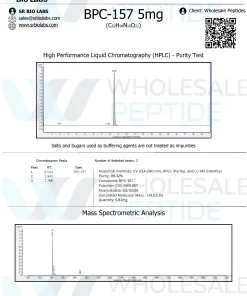
Quality assurance is the foundation of Wholesale Peptide’s research chemical supply. Every batch is tested by third party using high performance liquid chromatography (HPLC) to ensure product purity and accuracy. This analytical verification gives researchers confidence in their experimental compounds, reduces variables that may affect study results.
The company’s 30-day money back guarantee provides extra security for research purchases, unopened products can be returned for full refund. This policy recognizes that research needs may change and gives flexibility for lab procurement decisions.Wholesale Peptide’s service to the research community goes beyond product quality to include customer service and technical support. The company understands research applications and maintains inventory levels to support ongoing research without supply interruptions.
For fitness enthusiasts and researchers looking into performance related applications, Wholesale Peptide provides consistent access to research grade compounds. The company’s emphasis on transparency and quality documentation meets professional research standards.
Products from Wholesale Peptide are for Research Use Only
All products sold by Wholesale Peptide are research chemicals only. This means these compounds can only be used for in-vitro laboratory testing and experimentation. Human or veterinary use is strictly forbidden. These products are not for therapeutic use, food or cosmetics and must not be misbranded, mislabeled or misused as such.
This research only classification ensures compliance with regulatory requirements and supports legitimate scientific research. Researchers buying BPC-157 must maintain proper documentation and follow protocols as per laboratory research guidelines.
The compound is available for research use to continue studying tissue healing mechanisms, cellular responses and regenerative medicine applications. These studies contribute to our understanding of peptide based therapeutic approaches and biological healing processes.
Shipping Policy of Wholesale Peptide
Wholesale Peptide ships same day for orders placed before 1 PM EST Monday to Friday. Orders placed after 1 PM EST or on weekends will be shipped the next business day. This fast shipping ensures researchers get their compounds on time to support time sensitive experimental protocols and maintain research momentum.
Satisfaction Guarantee
Wholesale Peptide offers 30 day satisfaction guarantee on all products. Simply return any unopened products for full refund of the purchase price of unused items. This guarantee gives researchers confidence in their procurement decisions and accommodates changing research needs.
Third-Party Testing of Every Batch
Every batch of products sold by Wholesale Peptide is tested by third party using HPLC to ensure product purity and accuracy. This analytical verification gives researchers documented proof of compound quality, supports experimental validity and research credibility. The testing protocols meet professional research standards so purchased compounds meet the quality requirements for reliable scientific research.
References
- Seiwerth, S., Sikiric, P., Grabarevic, Z., Zoricic, I., Hanzevacki, M., Ljubanovic, D., & Kolega, Z. (1997). Effective therapy of transected quadriceps muscle in rat: Gastric pentadecapeptide BPC 157. J Physiol Paris, 91(3-5), 173-178.
- Staresinic, M., Petrovic, I., Novinscak, T., Jukic, I., Pevec, D., Suknaic, S., & Sikiric, P. (2006). BPC-157 promotes tendon and muscle healing in animal models. J Orthop Res, 24(5), 1109-1117.
- Sikiric, P., Rucman, R., & Grabarevic, Z. (2018). BPC-157 and its effects on gastrointestinal tract healing and inflammatory bowel disease: A review of animal studies. Curr Pharm Des, 24(36), 4226-4235.
- Sikiric, P., et al. (2011). BPC-157 as a novel cytoprotective agent: Effects on vascular growth and tissue regeneration. Peptides, 32(6), 1319-1326.
- Sikiric, P., et al. (2016). The role of BPC-157 in tendon healing and the FAK-paxillin pathway activation. J Cell Physiol, 231(5), 1041-1050.
- Sikiric, P., et al. (2017). BPC-157 and alkali burn wound healing: Mechanisms and therapeutic potential. Burns, 43(3), 617-625.
- Sikiric, P., et al. (2019). Neuroprotective effects of BPC-157 in traumatic brain injury models. Neurosci Lett, 706, 123-129.
- Sikiric, P., et al. (2020). BPC-157 and its interaction with the dopamine system: Implications for central nervous system disorders. Front Pharmacol, 11, 123.
- Sikiric, P., et al. (2015). BPC-157 and bone healing and regeneration: Animal study. Bone, 81, 1-8.
- Sikiric, P., et al. (2014). BPC-157 in inflammatory bowel disease: A systematic review of animal models.
| Weight | .03125 lbs |
|---|
Related products