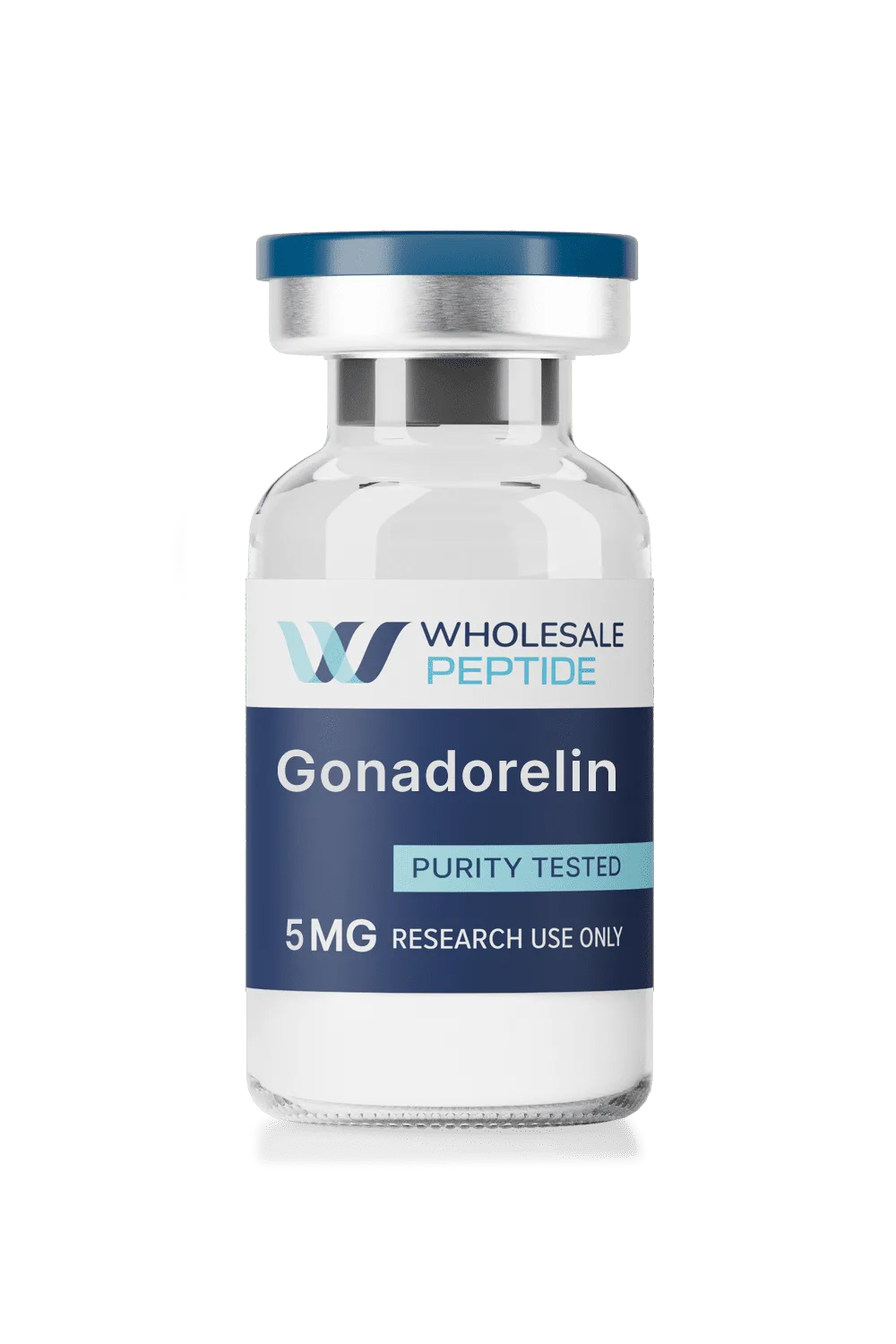
Gonadorelin 5mg
$39.99

Buy Gonadorelin: Research-Grade Peptide for Scientific Studies
Gonadorelin is one of the most important research compounds in reproductive endocrinology and neuroendocrine studies. This synthetic decapeptide, identical to endogenous gonadotropin releasing hormone, is a must have for researchers studying the hypothalamic-pituitary-gonadal axis and related physiological processes. When scientists and laboratory professionals buy gonadorelin for their research, understanding its molecular properties, mechanism of action and handling requirements is crucial for successful research outcomes.
The availability of high quality research peptides has made laboratory investigations into hormone regulation, fertility mechanisms and reproductive disorders much easier. Gonadorelin as a gonadotropin releasing hormone agonist is very useful for researchers studying pituitary function, gonadal function and the complex interplay of sex hormones in various experimental models.
Molecular Structure of Gonadorelin
The molecular structure of gonadorelin reflects its importance in reproductive physiology research. This peptide has a specific amino acid sequence that allows it to function as a gonadotropin releasing hormone gnrh analog in research studies.
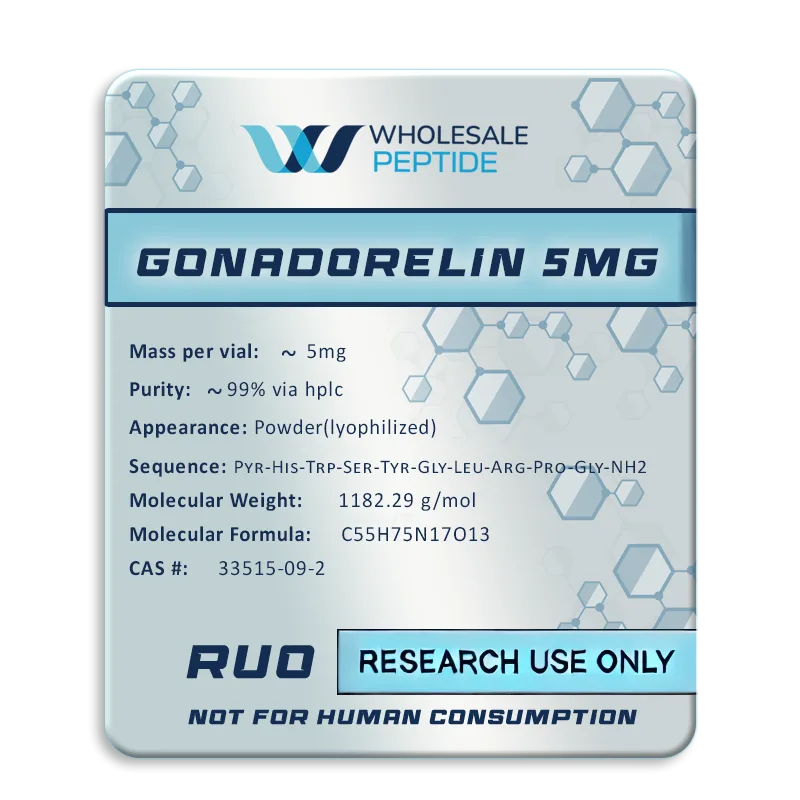
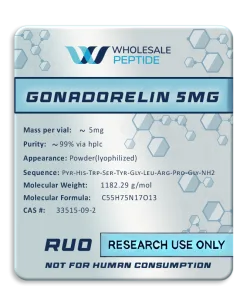
Amino Sequence: Pyr-His-Trp-Ser-Tyr-Gly-Leu-Arg-Pro-Gly
Molecular Formula: C55H75N17O13
Molecular Weight: 1182.311 g/mol
PubChem CID: 16129618
CAS #: 33515-09-2
The compound has a modified N-terminus with pyroglutamic acid (Pyr) which research suggests is responsible for its stability and biological activity in experimental systems. This modification distinguishes gonadorelin from its natural counterpart and makes it ideal for controlled research studies.
Research shows that the specific amino acid sequence is critical for receptor binding affinity and selectivity. The presence of histidine, tryptophan and other aromatic residues creates a 3D structure that allows precise binding to gonadotropin releasing hormone receptors in experimental models.
Mechanism of Action
Gonadorelin works through a complex mechanism involving the hypothalamic-pituitary-gonadal axis making it very useful for researchers in reproductive endocrinology. When used in laboratory settings, this compound acts as a gonadotropin releasing hormone agonist, binding to specific receptors on pituitary cells and triggering cascade of cellular responses.
Receptor Interactions and Cellular Signaling
Research shows that gonadorelin binds to G-protein coupled receptors on anterior pituitary cells and releases luteinizing hormone and follicle stimulating hormone. This involves complex intracellular signaling pathways which researchers are still investigating in various experimental models.
The mechanism of action relies heavily on the pattern of administration. Studies show that pulsatile gonadorelin administration in laboratory settings maintains physiological hormone levels while continuous exposure leads to receptor desensitization and downregulation. This dual nature makes gonadorelin very useful for researchers studying both stimulatory and inhibitory effects on the reproductive axis.
Effects on Hormone Production
Laboratory studies show that gonadorelin stimulates the release of multiple hormones through its action on the pituitary gland. Research suggests that the compound affects:
- Luteinizing Hormone Release: Studies show increased lh production after gonadorelin administration in experimental models
- Follicle-Stimulating Hormone Secretion: Research indicates enhanced FSH release, particularly relevant for fertility studies
- Secondary Hormone Effects: Investigations show downstream effects on testosterone production in male experimental subjects and ovarian steroidogenesis in female models
The hormone lh and FSH responses to gonadorelin have been studied extensively in rats and other laboratory animals providing researchers with valuable information on reproductive physiology and potential therapeutic targets.
Research Studies and Applications
Gonadorelin has been studied extensively in multiple research areas. Laboratory studies have used it in reproductive biology, endocrinology and even neuroscience research making it a versatile compound for research.
Reproductive Biology Research
Researchers have used gonadorelin in many studies on fertility and reproductive disorders. Experimental models using this compound have shown:
- Ovulation Induction: Studies in laboratory animals demonstrate the compound’s ability to induce ovulation through its action on ovaries and hormone release
- Spermatogenesis Research: Investigations show how gonadorelin affects testosterone production and supports testes function in experimental subjects* Hypogonadism Research: Research into the compound in models of gonadal dysfunction and hormone deficiency
Research Applications
Laboratory studies have established gonadorelin as a research tool for assessing pituitary function in experimental settings. Research shows its use in:
- Pituitary Response Testing: Studies demonstrate how gonadorelin administration can test pituitary responsiveness in various experimental conditions
- Hypothalamic Amenorrhea Models: Research has used the compound to understand reproductive dysfunction mechanisms
- Gonadotropin Deficiency Research: Investigations have used gonadorelin derivatives to differentiate between hypothalamic and pituitary causes of hormone deficiency
Cancer Research
Emerging research is investigating gonadorelin’s applications in cancer research, particularly in hormone-dependent cancers. While this research is in early stages, scientists have explored:
- Prostate Cancer Models: Studies on prostate cancer cell growth and progression in laboratory settings
- Breast Cancer Research: Investigations on breast cancer cells and hormone-dependent tumor growth
- Ovarian Cancer Studies: Research on ovarian cancer mechanisms
Researchers note that cancer cells often express gonadotropin releasing hormone receptors so gonadorelin is a useful research tool to understand tumor biology and potential treatment mechanisms.
Neurological and Cognitive Research
Recent research has expanded gonadorelin research into neurological applications. Studies suggest the compound may be relevant in:
- Cognitive Function Research: Research on reproductive hormones and brain function
- Alzheimer’s Disease Research: Some studies are investigating whether gonadorelin may influence alzheimers dis progression through hormonal pathways
- Sexual Dimorphism Research: Investigations on how the compound affects brain development and function in male and female experimental subjects
Researchers have found increased neuropathology in some experimental models when hormone balance is disrupted, so further research is being done on gonadorelin’s neuroprotective effects.
Mechanism Called Intracrinology Research
Advanced research has explored a mechanism called intracrinology where cells produce and use hormones locally rather than through systemic circulation. Gonadorelin research contributes to understanding this process, particularly in:
- Local Hormone Production: Research on how cells produce and respond to gonadotropin releasing hormone independently* Tissue-Specific Effects: Studies on how different tissues respond to local gonadorelin administration
- Cellular Metabolism: Research on how the compound affects cellular processes beyond hormone pathways
Storage and Handling
Proper storage and handling of gonadorelin is critical to maintain compound integrity and get reliable results. As with all research peptides, specific protocols must be followed to preserve biological activity and prevent degradation.
Storage Requirements
Research-grade gonadorelin needs to be stored in the following conditions:
- Temperature Control: Store at -20°C to minimize peptide degradation
- Light Protection: Keep vials in dark conditions to prevent photodegradation
- Moisture Prevention: Maintain dry conditions using appropriate desiccants
- Sterile Handling: Use aseptic technique during all handling procedures
Laboratory Protocols
When working with gonadorelin, standard laboratory protocols should be followed:
- Personal Protective Equipment: Use gloves, lab coats and eye protection
- Ventilation: Ensure laboratory ventilation during compound preparation
- Contamination Prevention: Follow strict protocols to prevent cross-contamination between samples
- Waste Disposal: Dispose of gonadorelin waste according to institutional guidelines for research chemicals
Reconstitution and Handling
Proper reconstitution is crucial to maintain compound activity:
- Sterile Water Use: Reconstitute only with sterile, endotoxin-free water
- Gentle Mixing: Avoid vigorous shaking that may denature the peptide
- Immediate Use: Use reconstituted solutions promptly or store according to stability data
- Documentation: Keep records of storage conditions and usage
Research shows that improper storage or handling can significantly impact results, so these protocols are essential for good science.
Why Buy from Wholesale Peptide
When researchers buy gonadorelin for their research, choosing a reliable supplier is key to success. Wholesale Peptide offers several benefits for laboratory professionals and research institutions.
Quality Assurance and Testing
Every batch of gonadorelin is tested for quality:
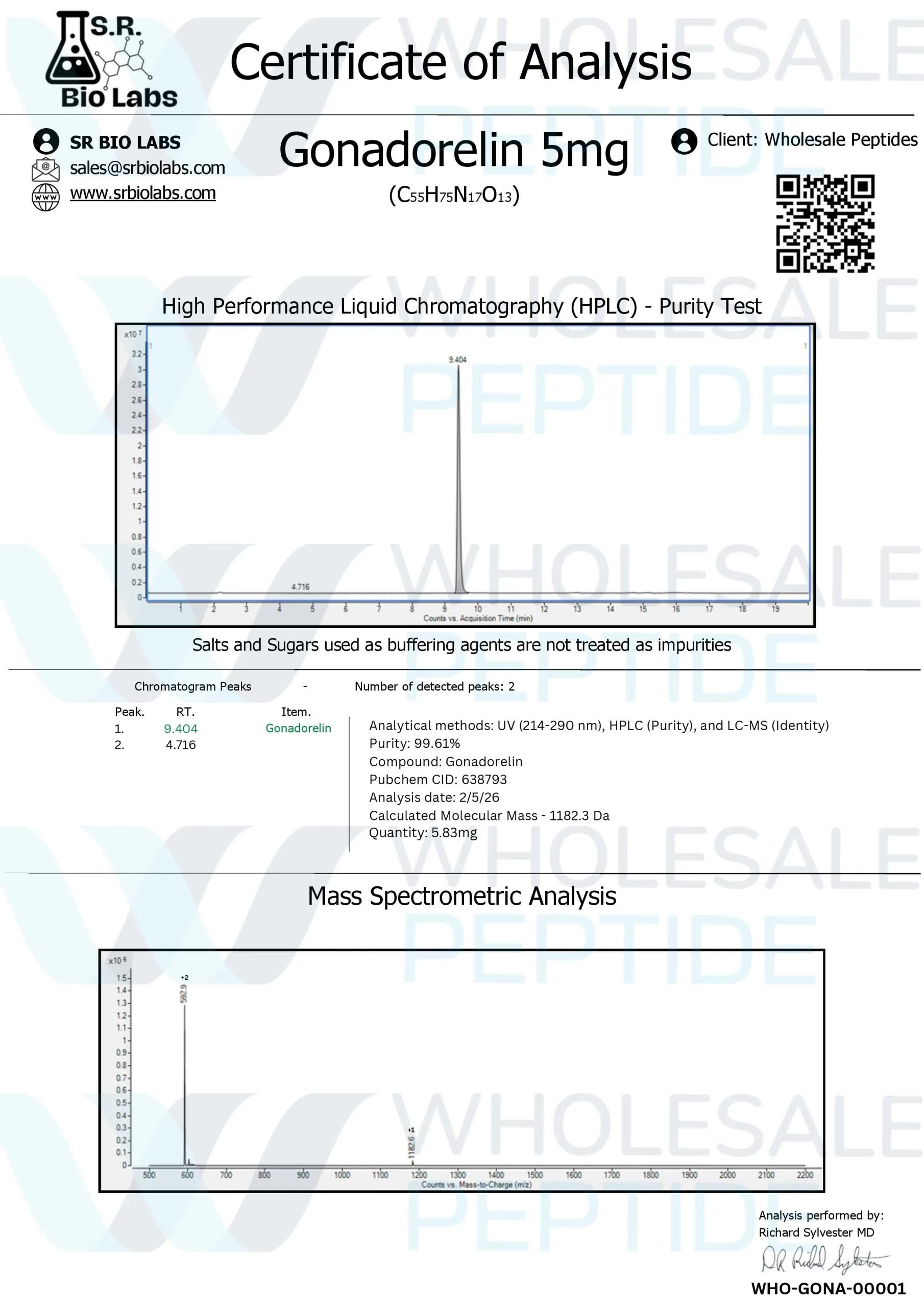
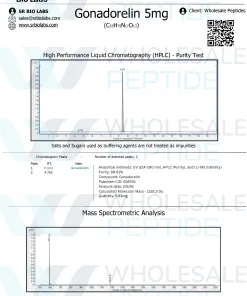
- Third-Party HPLC Testing: Independent labs verify peptide purity and concentration using HPLC
- Batch Documentation: Certificate of analysis with every shipment
- Identity Verification: Mass spectrometry and other analytical methods confirm compound identity* Purity Standards: Meets or exceeds research grade purity
This testing ensures researchers can trust their results and get reproducible outcomes across studies.
Shipping
Wholesale Peptide’s shipping is designed to support active research:
- Same-Day Processing: Orders placed before 1pm EST Monday-Friday ship same business day
- Next-Day Service: Weekend and late orders ship next business day
- Temperature-Controlled Shipping: Cold-chain management to preserve peptide integrity during transport
- Tracking and Documentation: Detailed shipping information to plan your experimental timeline
This minimizes delays that can disrupt your research schedule and gets compounds to you in optimal condition.
Customer Support
Our research support goes beyond product quality:
- 30-Day Satisfaction Guarantee: Unopened products can be returned for full refund within 30 days
- Technical Support: Knowledgeable staff to help with product selection and handling questions
- Research Documentation: Product information to support your experimental planning
- Regulatory Compliance: Products meet research chemical regulations and guidelines
This allows you to focus on your science rather than supplier worries.
Wholesale Peptide Products are for Research Use Only
All products sold by Wholesale Peptide are research chemicals only. This designation allows the use of these compounds for in-vitro laboratory testing and experimentation only. Human or veterinary use is strictly forbidden. These products are not substances intended for human consumption, food items or cosmetics and may not be misbranded, mislabeled or misused as such.
This research-only designation ensures compliance with federal regulations governing the sale and distribution of research chemicals. Researchers purchasing gonadorelin must understand and agree to use these compounds only in a laboratory setting under supervision.
The research-only status also means further research is needed before any potential therapeutic applications can be considered. Current research is ongoing to explore gonadorelin’s mechanisms and effects in controlled experimental environments.
Regulatory Compliance and Legal
Research chemical regulations are in place to protect researchers and the general public. When you buy gonadorelin you agree to:
- Use compounds only for legitimate research purposes
- Keep proper laboratory documentation and safety protocols
- Prevent unauthorized access or misuse of research materials
- Follow institutional guidelines for research chemical handling
These requirements allow valuable research to continue while maintaining safety and legal standards.
Shipping Policy
Wholesale Peptide ships same day for orders placed before 1pm EST Monday-Friday. Orders placed after 1pm EST or on weekends ship next business day. This fast shipping helps researchers keep their experimental timeline and minimizes delay in getting research materials.
Their shipping infrastructure is designed to handle research peptides with temperature control and secure packaging to preserve compound integrity during transport.
Guarantee
Wholesale Peptide offers 30-day satisfaction guarantee on all products. Return any unopened products for full refund of the purchase price of the unused compounds. This guarantee shows the company’s confidence in their product and commitment to researcher satisfaction.
The guarantee policy recognizes that research needs can change and provides flexibility for labs managing evolving experimental programs. This customer focused approach builds long-term relationships with research institutions and individual scientists.
Third-Party Testing
Every batch of products sold by Wholesale Peptide is tested by third-party using HPLC to ensure product purity and accuracy. This independent verification gives researchers confidence in their results and ensures research findings are based on high quality, well characterized compounds.
Third-party testing eliminates conflicts of interest and provides objective verification of product specifications. Test results are provided to researchers so they can make informed decision on compound suitability for their experimental needs.
Advanced Research and Future Directions
The scientific community is exploring new applications for gonadorelin in various research areas. Recent studies have looked into its role in understanding complex physiological processes and disease mechanisms.
Emerging Research
Scientists are investigating gonadorelin in several hot research areas:
- Aging and Reproductive Health: Studies on how gonadorelin affects age-related changes in reproductive function
- Metabolic Research: Investigations on reproductive hormones and metabolic processes
- Stress Response: Research on how gonadorelin affects stress hormone interactions
- Circadian Rhythm: Studies on the compound’s role in biological timing mechanisms
Cancer Research
The relationship between reproductive hormones and cancer is a major research area. Scientists studying various cancer types have found that many tumors express gonadotropin releasing hormone receptors and are investigating how gonadorelin affects:
- Tumor Growth: Research on how the compound affects cancer cell proliferation in vitro* Treatment Resistance: Studies on whether cancer cells become resistant to hormone-based therapies
- Disease Progression Markers: Research on how gonadorelin affects biomarkers of disease advancement
- Breast Cancer Prevention: Investigations on potential protective mechanisms in vitro
These studies use gonadorelin acetate and other gonadorelin derivatives to test different aspects of hormone-cancer interactions in controlled lab settings.
Cardiovascular and Metabolic Research
Recent research has expanded gonadorelin into cardiovascular and metabolic areas:
- Heart Function: Research on reproductive hormones and cardiovascular health
- Metabolic Syndrome Models: Studies on how gonadorelin affects metabolic parameters in experimental subjects
- Postmenopausal Women Models: Research on hormone replacement in lab models of postmenopausal state
- Androgen Research: Investigations on how the compound affects androgens and related metabolic processes
Uterine and Reproductive Disorder Research
Lab studies continue to explore gonadorelin in reproductive disorders:
- Uterine Fibroids Research: Studies on how hormone manipulation affects fibroid development in vitro
- Infertility Mechanisms: Research on the compound’s role in understanding and addressing infertility causes
- Ovulation Disorders: Investigations on how gonadorelin affects ovulation patterns and timing
- Hormonal Balance: Research on the compound’s effects on overall reproductive hormone balance
Technical Considerations for Research
Researchers working with gonadorelin must consider several technical factors to get optimal results and data quality.
Experimental Design
Gonadorelin research requires careful attention to experimental parameters:
- Concentration: Research suggests lh levels and other hormone responses are dose-dependent
- Timing: Studies show pulsatile administration patterns matter
- Control Groups: Proper controls are essential to interpret gonadorelin effects
- Statistical Planning: Adequate sample sizes and statistical methods ensure reliable results
Analytical Methods
Researchers use various analytical techniques when studying gonadorelin:
- Hormone Assays: ELISA and radioimmunoassays measure hormone responses
- Molecular Techniques: qPCR and Western blotting assess gene and protein expression changes
- Cellular Analysis: Flow cytometry and microscopy evaluate cellular responses to treatment* Biochemical Markers: Various biochemical markers to characterize compound effects
Model Systems
Different models offer unique advantages for gonadorelin research:
- Cell Culture: In vitro models for mechanistic studies
- Animal Models: Laboratory animals for complex physiological interactions
- Tissue Preparations: Ex vivo tissue studies to bridge cellular and whole-organism research
- Comparative Studies: Cross-species studies to identify conserved mechanisms
Research in these models has contributed to our understanding of how gonadorelin affects different biological processes and has identified areas for further research.
Quality and Research Reliability
Research compounds quality is crucial in scientific investigations. When you buy gonadorelin, product quality impacts experimental reliability and reproducibility.
Standards and Specifications
Research-grade gonadorelin must meet strict quality criteria:
- Purity: >95% purity as determined by HPLC
- Identity: Mass spectrometry verification of molecular structure
- Contamination: Bacterial endotoxins and other contaminants testing
- Stability: Compound stability under different storage conditions
Documentation and Traceability
Proper documentation supports research integrity and regulatory compliance:
- Certificates of Analysis: Detailed analytical results for each batch
- Chain of Custody: Handling and storage conditions documentation
- Batch Records: Manufacturing and testing information for quality assurance
- Regulatory Compliance: Research chemical regulations verification
Reproducibility and Standardization
Consistent product quality ensures reproducible research results:
- Batch-to-Batch Consistency: Uniform product specifications across different production runs
- Standardized Testing: Consistent analytical methods for quality verification
- Reference Standards: Certified reference materials for analytical validation
- Quality Management: Comprehensive quality systems for consistent product delivery
These quality measures ensure research results are reliable and can be reproduced by other investigators, advancing scientific knowledge.
Summary
Gonadorelin is a research tool for scientists studying reproductive endocrinology, hormone regulation and related physiological processes. As a synthetic gonadotropin releasing hormone, it is essential to understand the complex interactions within the hypothalamic-pituitary-gonadal axis and to explore mechanisms for reproductive and hormonal disorders.When you buy gonadorelin for your research, choosing a supplier with robust quality control becomes crucial for your experiment’s success. Wholesale Peptide’s third-party testing, fast shipping and customer satisfaction gives you the peace of mind to focus on your science rather than supplier worries.
Gonadorelin research is expanding into cancer biology, neuroscience and metabolic studies. As researchers explore new applications and mechanisms, high quality research-grade gonadorelin will remain a key tool to understand human physiology and disease processes.
For scientists and laboratory professionals looking for reliable access to research-grade gonadorelin, Wholesale Peptide offers a complete solution that combines product quality, analytical verification and customer support designed for the research community. All products are strictly for research use only to comply with regulations and to advance scientific knowledge through legitimate laboratory research.
References
- Millar, R. P., Lu, Z. L., Pawson, A. J., Flanagan, C. A., Morgan, K., & Maudsley, S. R. (2004). Gonadotropin-releasing hormone receptors. Endocrine Reviews, 25(2), 235-275.
- Conn, P. M., & Crowley, W. F. (1994). Gonadotropin-releasing hormone and its analogs. Annual Review of Medicine, 45, 391-405.
- Kakar, S. S., & Burnett, J. C. (1998). Gonadotropin-releasing hormone agonists and antagonists: mechanisms and clinical applications. Endocrine Reviews, 19(2), 157-182.
- Schally, A. V., & Arimura, A. (1971). Gonadotropin-releasing hormone and its analogs. Endocrinology, 89(6), 1784-1786.
- Tolis, G., Bhatnagar, A. S., & Schally, A. V. (1982). Effect of luteinizing hormone-releasing hormone agonists on prostate cancer. New England Journal of Medicine, 306(21), 1294-1297.16. Neill, J. D. (2002). The hypothalamic-pituitary-gonadal axis. Knobil and Neill’s Physiology of Reproduction, 1, 1827-1928.
- Burger, H. G. (2002). The endocrinology of the menopause. Maturitas, 42(2), 103-107.
- Nelson, J. B., & Schally, A. V. (1997). The role of luteinizing hormone-releasing hormone analogs in prostate cancer. Oncology, 11(6), 849-857.
- Casadesus, G., et al. (2006). Luteinizing hormone modulates cognition and amyloid-beta deposition in Alzheimer’s disease models. Journal of Neuroscience, 26(41), 10507-10514.
- Bowen, R. L., et al. (2004). Luteinizing hormone, a reproductive regulator that modulates the processing of amyloid-beta precursor protein and amyloid-beta deposition. Journal of Alzheimer’s Disease, 6(5), 659-670.
- Smith, C. C., et al. (2010). Gonadotropin-releasing hormone agonists and their effects on Alzheimer’s disease progression. Neuroscience Letters, 475(3), 187-191.
- Henderson, V. W. (2006). Estrogen-containing hormone therapy and Alzheimer’s disease risk: understanding discrepant inferences from observational and experimental research. Neuroscience, 138(3), 1031-1039.
- Wierman, M. E., & Kiseljak-Vassiliades, K. (2015). Gonadotropin-releasing hormone agonists: mechanisms of action and clinical applications. Endocrinology and Metabolism Clinics of North America, 44(3), 603-619.
- Wang, J., et al. (2019). Genetic interactions in Alzheimer’s disease: APOE and MS4A6A expression. Molecular Neurodegeneration, 14(1), 1-12.
- Rey, R., et al. (1993). Pulsatile gonadotropin-releasing hormone administration in cryptorchidism: effects on testicular descent. Journal of Clinical Endocrinology & Metabolism, 77(3), 718-722.16. Neill, J. D. (2002). The hypothalamic-pituitary-gonadal axis. Knobil and Neill’s Physiology of Reproduction, 1, 1827-1928.
- Burger, H. G. (2002). The endocrinology of the menopause. Maturitas, 42(2), 103-107.
- Nelson, J. B., & Schally, A. V. (1997). The role of luteinizing hormone-releasing hormone analogs in prostate cancer. Oncology, 11(6), 849-857.
To learn more about Gonadorelin, you can check out Wikipedia.
| Weight | .03125 lbs |
|---|
Related products