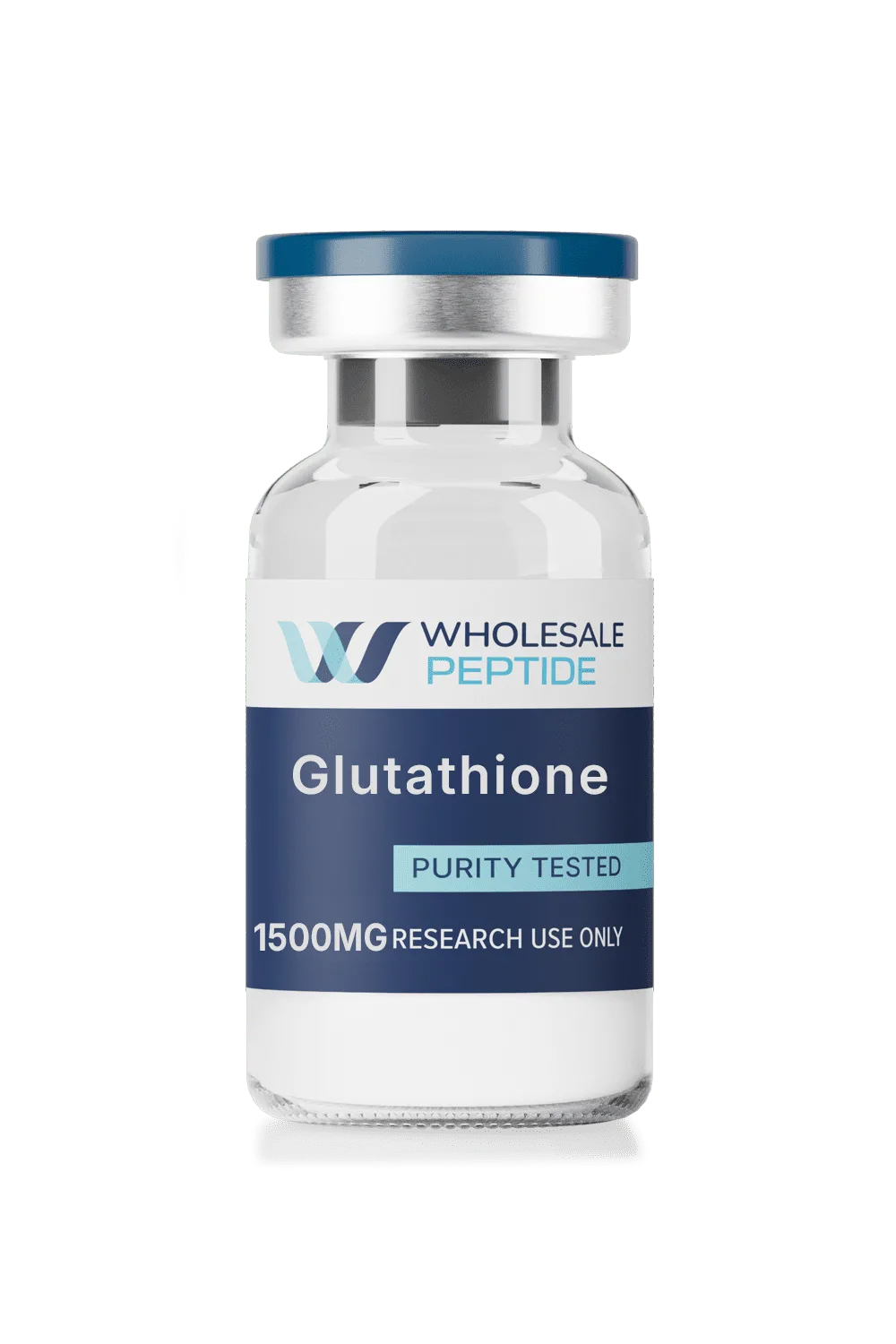
Glutathione 1500mg
$89.99

Buy Glutathione for Research from Wholesale Peptide
Research scientists investigating cellular antioxidant mechanisms and detoxification pathways need high-purity glutathione for their experiments. This small peptide molecule composed of 3 amino acids is produced by cells throughout the body, with high concentrations in the liver and brain. It’s a critical research tool for understanding oxidative stress, cellular health and detoxification in the lab. When you need to buy glutathione for your research, understanding the technical specifications, quality requirements and procurement considerations is key to your experiment’s success.
Glutathione is one of the most studied antioxidant in research environments, from basic cellular biology to complex metabolic research. Research shows this powerful antioxidant plays a fundamental role in maintaining cellular health by directly neutralizing free radicals and supporting immune system function in experimental models. Glutathione is a co-factor for enzymes involved in detoxification, helping the body to process toxins. Studies include its effects on neurological health, brain tissue and brain health, where it protects brain tissue from oxidative stress. Certain foods like spinach and avocados are natural sources of glutathione or its precursors which is relevant for dietary and nutritional research. Glutathione is studied for its role in detoxifying the body from alcohol and liver health, including alcohol metabolism and hangover prevention. It’s also studied in research models of disease like liver disease and neurodegenerative conditions to understand its protective effects. Glutathione is also being studied for its potential to treat or manage oxidative stress related conditions. Dermatological research is exploring glutathione’s effects on skin health, including acne scars and dark spots, its role in skin brightening and evening out skin tone.
Glutathione
Glutathione is a small peptide molecule composed of 3 amino acids: cysteine, glutamic acid and glycine. This tripeptide structure allows glutathione to play a critical role in maintaining cellular health throughout the body. As an antioxidant, glutathione is essential in directly neutralizing free radicals and supporting proper detoxification at the cellular level. Every cell in the body produces glutathione but especially high levels are found in the liver where it is important for processing toxins and maintaining healthy immune system function. Glutathione levels can be influenced by various factors such as stress, poor nutrition and exposure to environmental toxins which may decrease the body’s natural supply. For this reason, supplements are often used to support and restore optimal glutathione levels to contribute to overall cellular health and resilience against oxidative stress.
Molecular Structure of Glutathione: Composed of 3 Amino Acids
The molecular structure of glutathione reflects its unique biological properties and research applications. This small peptide molecule has a distinctive tripeptide structure that sets it apart from other research compounds.
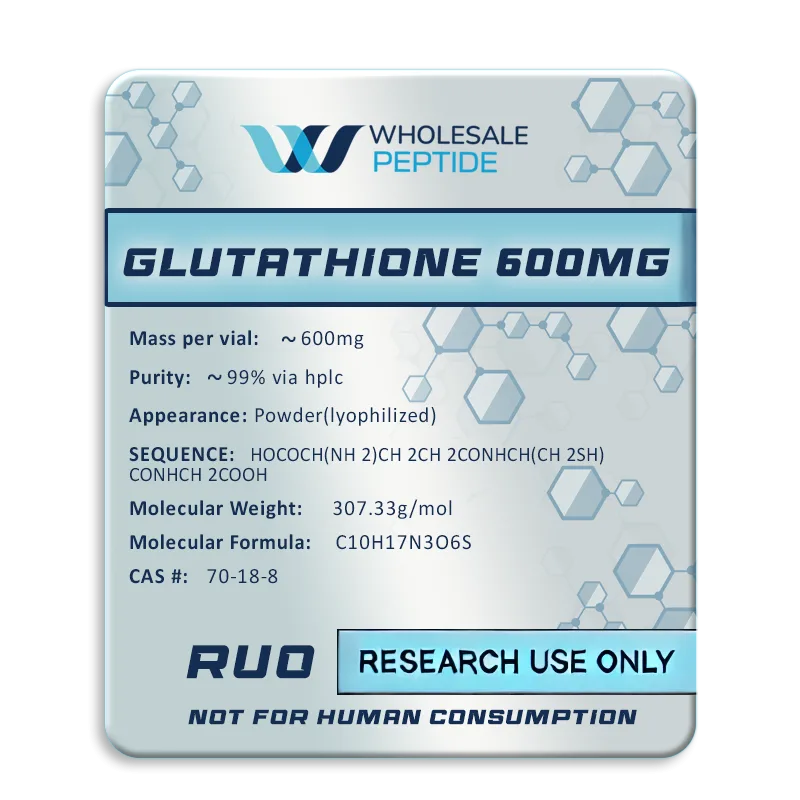
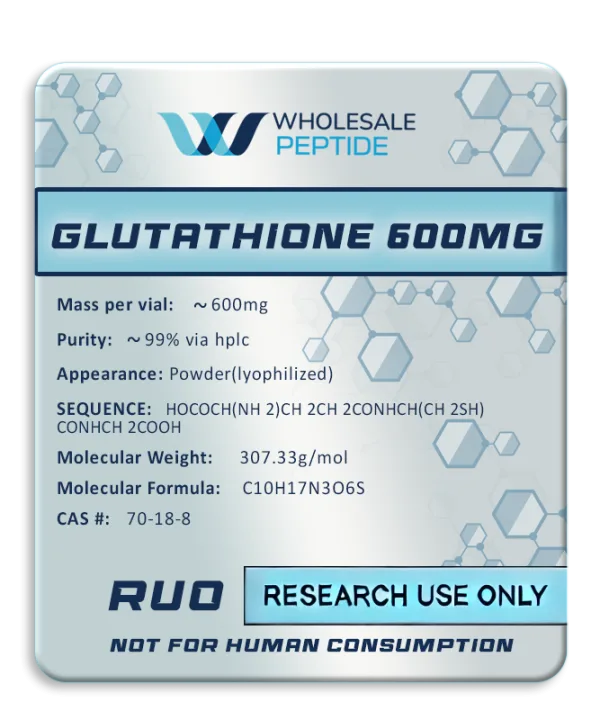
Amino Sequence: γ-L-Glutamyl-L-cysteinylglycine
Molecular Formula: C10H17N3O6S
Molecular Weight: 307.32 g/mol
PubChem CID: 124886
CAS #: 70-18-8
The amino acid sequence shows glutathione’s composition of 3 amino acids linked through an unusual gamma peptide bond between glutamic acid and cysteine followed by glycine. Glutathione is produced naturally by cells in the body hence its endogenous origin and biological significance. This arrangement creates a molecule with unique chemical properties that researchers use in various experimental protocols. The molecular weight of 307.32 g/mol makes it suitable for cellular uptake studies while its chemical formula indicates the presence of sulfur which contributes to its antioxidant properties in research applications.
Research laboratories often require detailed molecular specifications when they buy glutathione to ensure compatibility with their analytical methods and experimental designs. The CAS number 70-18-8 provides universal identification for procurement and regulatory documentation while the PubChem CID 124886 offers access to comprehensive chemical databases for research planning.
Forms and Enhancers
Glutathione is available in various forms including capsules, tablets and advanced liposomal delivery systems designed to improve absorption. Liposomal glutathione like Setria® is formulated to enhance bioavailability so more of the active compound reaches the cells where it is needed most. To further boost the benefits of glutathione, complementary ingredients like alpha lipoic acid and milk thistle extract are often included in the formulation as they work synergistically to support antioxidant activity and liver health. Vitamin C is another common addition to help maintain glutathione in its active, reduced form and promote its absorption. When choosing a glutathione supplement, make sure to select products that are quality tested, manufactured in a GMP facility and made with globally sourced ingredients to ensure purity, potency and consistent quality.
Mechanism of Action in Supporting Healthy Immune System Function
In research settings, glutathione has multiple mechanisms that make it useful for studying cellular processes and antioxidant pathways. Studies show that glutathione works through several interconnected pathways that researchers can study in controlled laboratory environments.
The primary mechanism is redox cycling where glutathione exists in both reduced (GSH) and oxidized (GSSG) forms. Research suggests the reduced form is an electron donor in experimental systems allowing scientists to study how cells manage oxidative stress. This property enables researchers to study proper detoxification and cellular health in various experimental models. Glutathione is also studied for its ability to metabolize and detoxify alcohol in research models.
Glutathione is a cofactor for specific enzymes like glutathione peroxidases and glutathione S-transferases. Glutathione is a critical factor in enzymatic reactions that support detoxification and antioxidant defense. These interactions provide researchers with opportunities to study enzyme kinetics, metabolic pathways and cellular defense mechanisms. When scientists buy glutathione for enzyme studies they often focus on these specific interactions to understand cellular metabolism and detoxification. Research on glutathione’s role in protecting brain cells from oxidative stress is also ongoing.The compound’s ability to conjugate with various substances makes it very useful for toxicology research. Studies show glutathione can bind to xenobiotics and heavy metals, providing researchers with a model system to study detoxification mechanisms. This is especially useful when studying how cells handle environmental toxins and potentially harmful substances. Glutathione is being researched as a treatment for conditions involving oxidative stress and cellular damage. Glutathione is also being studied in disease models including liver and neurological health.
Ingredients and Interactions
Glutathione supplements typically contain a combination of active and supporting ingredients to maximize their effectiveness. Common formulations include L-glutathione as the active ingredient often paired with alpha lipoic acid, milk thistle extract and vitamin C for antioxidant support. Inactive ingredients like silicon dioxide, microcrystalline cellulose and magnesium stearate are often used to ensure product stability and consistency. Consult a physician before starting glutathione supplements especially if you are taking medication, have a medical condition or are pregnant or nursing. Some individuals may need to avoid products containing tree nut or sesame ingredients due to allergy concerns. Glutathione may also interact with certain medications like blood thinners so professional guidance is recommended to ensure safe and effective use.
Research Studies
Multiple research studies have been conducted on glutathione in laboratory settings providing valuable data for scientists to procure for their studies. These findings offer insights into experimental protocols and potential research applications.
A 36-week pilot clinical study published in Clinical and Translational Medicine looked at oral glutathione supplementation in laboratory subjects. Research shows the study showed measurable changes in oxidative stress markers and inflammatory indicators. The research protocol used specific dosing schedules and measurement techniques that other researchers can adapt for their studies.
Another research published in Antioxidants looked at glutathione’s effects in metabolic studies over 6 months. The study focused on glycemic control markers and showed measurable changes in laboratory parameters. These findings provide researchers with baseline data to design similar experimental protocols when they buy glutathione for metabolic research.
Vascular research from 2018 investigated intravenous glutathione administration and its effects on circulation parameters. The study measured pain-free walking distances and circulation markers, offering researchers insights into cardiovascular research applications. These protocols show specific measurement techniques and experimental designs that laboratories can use.A randomized, double-blind, placebo-controlled study looked at both reduced and oxidized forms of glutathione in dermatological research. The study used 250 mg daily for 12 weeks and measured multiple skin parameters including elasticity and pigmentation. Studies have also looked at glutathione’s effects on acne scars and dark spots, showing improvements in skin brightness and evenness, but significant fading of acne scars is limited. Research shows both forms had measurable effects, providing researchers with comparative data for experimental design.
Research reviews and meta-analyses have consistently highlighted glutathione’s applications in various research areas including neurodegenerative studies, respiratory research, hepatic investigations and toxicology research. Studies have looked at glutathione’s effects on brain health including its ability to cross the blood-brain barrier, support cognitive function and protect against neurological disease. These comprehensive reviews provide researchers with background information when planning their experimental protocols.
Storage and Safety
Proper storage protocols ensure glutathione remains intact for research applications, making storage considerations critical when laboratories buy glutathione for their studies. The compound’s stability requirements need specific environmental controls to prevent degradation and maintain experimental reliability.
Research-grade glutathione needs to be protected from heat and light exposure to prevent oxidation, especially for the reduced form (GSH). Laboratory storage protocols recommend storing the compound in tightly closed vials away from moisture, with refrigerated conditions at 2-8°C providing optimal stability. Glutathione should be stored in a cool, dry place to maintain its stability and quality. These storage requirements ensure researchers maintain compound integrity throughout their experimental timelines.
Temperature control is especially important when storing glutathione solutions. Research shows room temperature storage can lead to oxidation and degradation which can affect experimental results. Laboratories should have protocols for monitoring storage conditions and documenting temperature logs to maintain research standards.
Light exposure is another storage challenge as photodegradation can alter glutathione’s chemical properties. Research facilities store the compound in amber vials or light-protected areas to minimize this risk. Moisture control also needs attention as glutathione is hygroscopic and can affect compound stability and experimental reproducibility.
Safety protocols for glutathione handling are standard laboratory chemical procedures. Research shows the compound is well-tolerated in laboratory settings at typical research concentrations. However, laboratories should have safety documentation and follow institutional guidelines for chemical handling and waste disposal.Quality control should include regular checking of stored glutathione for signs of degradation or contamination. Natural color variation may occur in stored glutathione which does not affect its quality or efficacy. Research facilities often have batch tracking systems and stability testing protocols when they buy glutathione for long term research programs.
Why Buy from Wholesale Peptide
When researchers need to buy glutathione for their studies, supplier selection is critical for experimental success and regulatory compliance. Wholesale Peptide offers several benefits that address common research procurement challenges.
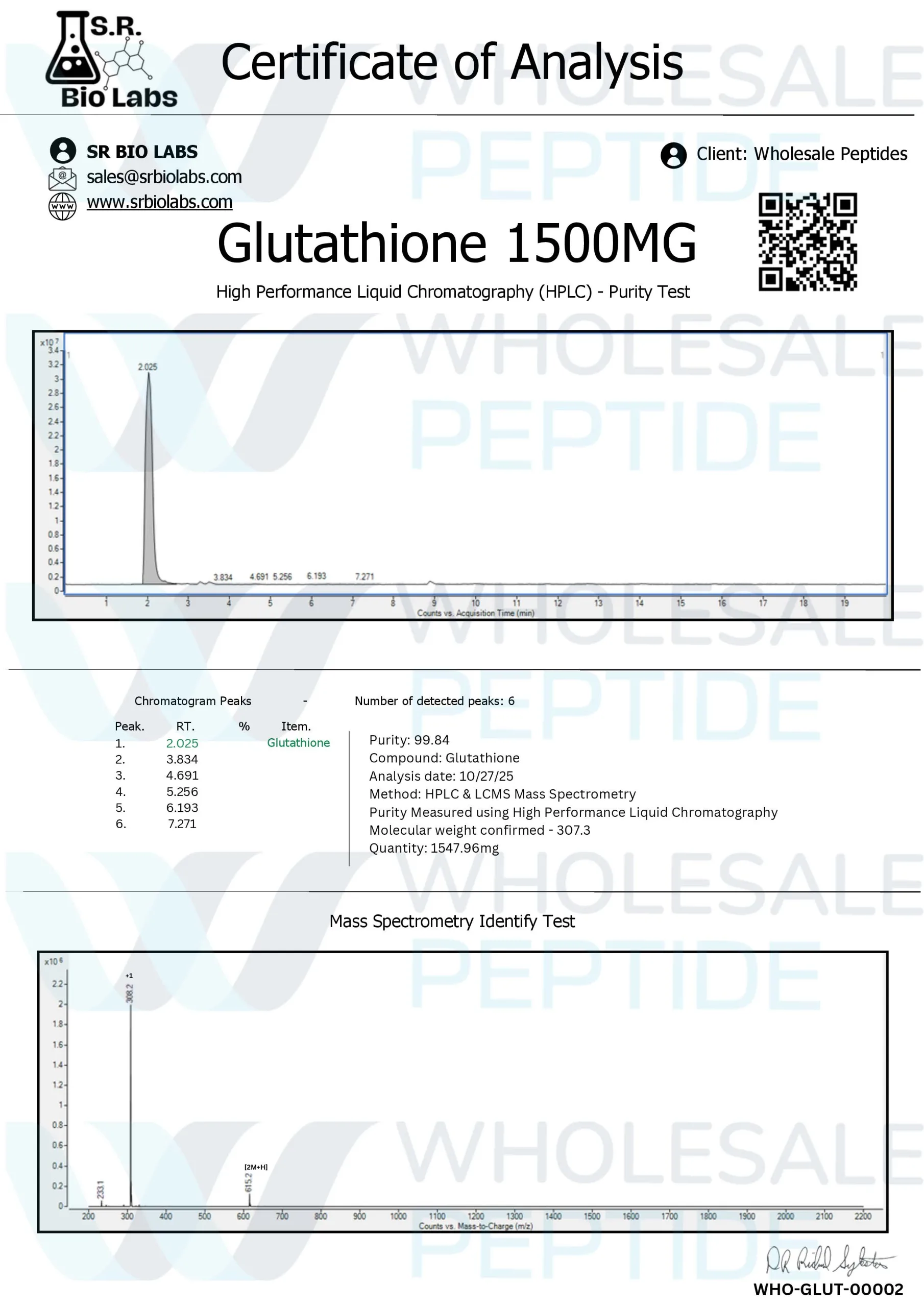
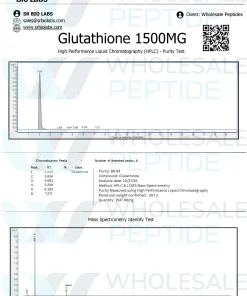
The company’s research-grade quality ensures all glutathione products meet laboratory standards for purity and consistency. Every batch is tested by third-party using High-Performance Liquid Chromatography (HPLC) to provide researchers with documented proof of compound identity and purity. This quality tested approach supports experimental reproducibility and regulatory compliance requirements.
Wholesale Peptide’s same-day shipping for orders placed before 1pm EST Monday to Friday meets research timeline requirements. This fast processing helps laboratories to maintain their experimental schedule and reduce delays in their research protocols. The shipping is reliable so researchers receive their glutathione when they need it for time-sensitive studies.
The 30-day money back guarantee for unopened products provides extra security for research procurement decisions. This policy allows laboratories to return unused glutathione for full refunds when they buy glutathione for new research protocols or pilot studies.
Third-party testing verification is included with every batch to provide researchers with Certificates of Analysis (COA) that show purity levels and molecular identity. This documentation supports laboratory quality control programs and regulatory compliance requirements. The testing protocols ensure researchers get high quality materials for their studies.
Customer support helps researchers with technical questions and procurement requirements. The company is focused on research applications so their staff understand laboratory needs and can provide guidance for experimental protocols.
Products from Wholesale Peptide are for Research Use Only
All products from Wholesale Peptide are for research use only, which sets clear regulatory boundaries for their use. This designation allows the use of these products only for in-vitro laboratory testing and experimentation. Human or veterinary use is strictly forbidden under this designation.
The research use only designation ensures when researchers buy glutathione from Wholesale Peptide, they get products specifically designed for laboratory use. This product category is not a supplement, food or cosmetic and should not be misbranded, mislabeled or misused as such. Research institutions must have proper documentation and handling protocols to comply with this designation.Laboratory personnel should understand that research grade glutathione is different from consumer products in terms of intended use, purity specifications and regulatory status. The research designation requires specific handling protocols, storage procedures and documentation systems within research facilities.
Compliance with research use only guidelines protects both researchers and institutions from regulatory issues. When you buy glutathione for research, you must ensure all personnel understand these restrictions and have protocols in place for compound handling and documentation.
Shipping
Wholesale Peptide has a fast shipping system to meet your research timeline. Orders placed before 1pm EST Monday to Friday ship same day, orders placed after 1pm EST or on weekends ship next business day.
This shipping schedule helps research facilities to maintain their experimental schedule and reduce delays in their research. You can plan your procurement around your experimental needs and get your glutathione supplies on time.
30 Day Money Back Guarantee
Wholesale Peptide offers 30 day money back guarantee for all products. You can return any unopened products within this period for full refund of the purchase price. This policy reduces the risk when you buy glutathione for new research protocols or pilot studies.
The guarantee shows the company’s confidence in their product and gives you extra security for your research procurement. This is especially useful for labs testing new research protocols or investigating new applications for glutathione.
Third Party Testing
Every batch of glutathione sold by Wholesale Peptide is tested by third party using HPLC to verify the product purity and molecular identity. This testing protocol ensures you receive high quality materials that meet laboratory standards for experimental reliability.
The third party verification provides independent confirmation of product specifications, supporting your quality assurance programs and regulatory compliance requirements. Each batch comes with testing results documentation, so you can keep records for your experimental protocols.
This testing addresses the common research challenges of compound variability and quality control. When you buy glutathione from Wholesale Peptide, you get materials with verified specifications that support experimental reproducibility and scientific rigor.
Facilities benefit from the detailed documentation that comes with each batch, which includes purity levels, molecular identity confirmation and any relevant analytical data. This information supports your quality assurance programs and helps you to maintain experimental controls.The consistent testing protocol ensures you get glutathione with same properties across different batches, supporting long term research programs and multi-batch experimental designs. This is crucial for studies that require compound characteristics over extended periods.
When you buy glutathione for your research, supplier selection affects experimental success, regulatory compliance and research timeline management. Knowing the molecular specifications, storage requirements and quality assurance protocols will ensure better outcomes for your laboratory research involving this research compound.
References
- Clinical and Translational Medicine. “Oral Glutathione Supplementation and Oxidative Stress Markers: A 36-Week Pilot Study”.
- Antioxidants Journal. “Glutathione and Metabolic Health: Glycemic Control Over Six Months”.
- Vascular Research. “Intravenous Glutathione and Circulation Parameters: Pain-Free Walking Distance”. 2018.
- Dermatology Research. “Randomized Double-Blind Placebo-Controlled Study of Reduced and Oxidized Glutathione on Skin Elasticity and Pigmentation”.
- Wholesale Peptide Quality Control Documentation and Testing Protocols.
- PubChem Database. “Glutathione (CID 124886)”.
- CAS Registry. “Glutathione, CAS Number 70-18-8”.
- Laboratory Safety Guidelines for Handling Antioxidants and Peptide Molecules.
- Research on Glutathione’s Role in Detoxification and Cellular Health Maintenance.
- Molecular Biology Studies on Glutathione’s Tripeptide Structure and Function
To learn more about Glutathione, you can check out Wikipedia.
| Weight | .06250 lbs |
|---|
Related products