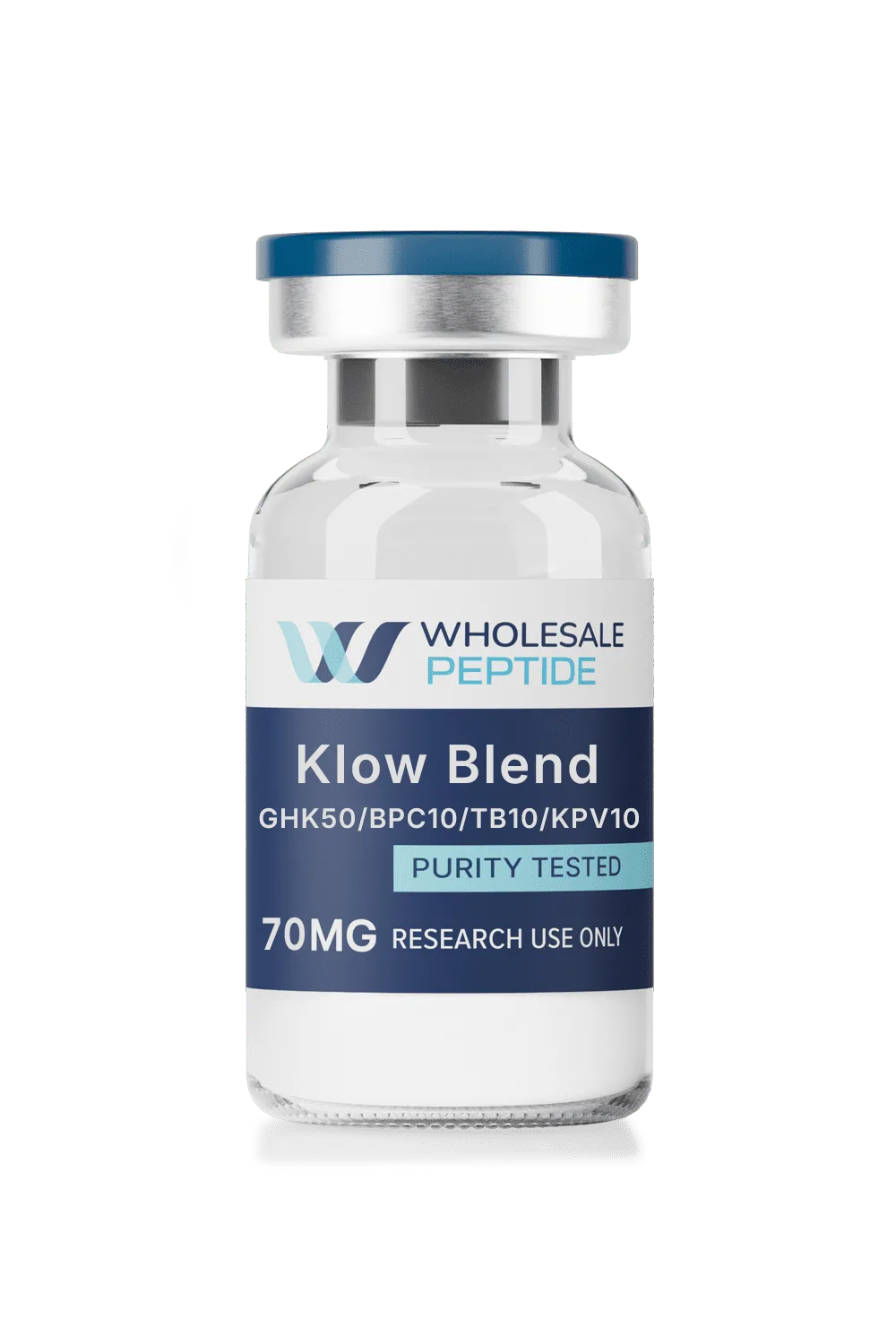
Klow Blend 80mg (GHK-Cu 50mg, BPC-157 10mg, TB-500 10mg, KPV 10mg)
$189.99
Buy KLOW Peptide Blend at Wholesale Peptide
KLOW peptide blend is a combination of four well studied peptides designed for research only. This blend brings together GHK-Cu, BPC-157, TB-500 and KPV in specific ratios to support researchers studying tissue repair, regenerative processes and cellular healing mechanisms. Each component has been shown to have individual therapeutic potential in wound healing and tissue regeneration research. The klow blend is perfect for studying synergistic effects in regenerative medicine.
The klow peptide blend gives researchers the opportunity to study the combined effects of multiple peptides that have shown promise in wound healing and tissue regeneration research. Each component in this blend has been well studied with researchers documenting various mechanisms of action that support cellular level healing.
Molecular Structure of KLOW Peptide Blend
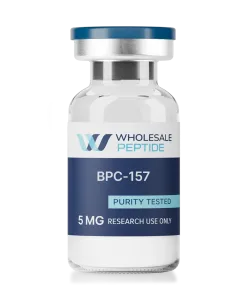
The klow blend consists of four individual peptides, each with unique molecular properties. The blend contains GHK-Cu (50mg), BPC-157 (10mg), TB-500 (10mg) and KPV (10mg) for advanced research applications.
| Peptide | Molecular Weight | CAS Number | PubChem CID |
|---|---|---|---|
| BPC-157 | 1419.54 g/mol | 137525-51-0 | 9941957 |
| TB-500 | 4963 g/mol | 77591-33-4 | 16134699 |
| GHK-Cu | 340.39 g/mol | 49557-75-7 | 25018149 |
| KPV | 342.43 g/mol | 64963-01-5 | 3081884 |
The klow peptide appears as a blue lyophilized powder with purity ≥99%. The blue color comes from the copper binding peptide component (GHK-Cu) which maintains the integrity of all the peptides in the blend.
Mechanism of Action
Each component of the klow peptide blend works through different cellular pathways to support tissue healing and regenerative processes. The GHK-Cu copper binding peptide promotes collagen synthesis and matrix remodeling making it a great compound for researchers studying skin regeneration and anti aging at cellular level.BPC-157 research shows this peptide supports angiogenesis and vascular tissue regeneration through growth factor modulation. Studies have shown this component can enhance the body’s natural healing process by promoting blood vessel formation and overall wellness by improving circulation to damaged tissues.
TB-500 also known as thymosin beta-4 regulates cell migration and actin polymerization for tissue repair. Laboratory research has shown this peptide plays a key role in tissue regeneration by facilitating cellular movement and organization during the healing process.
KPV modulates immune response and inflammatory pathways, giving researchers insight into inflammation reduction mechanisms. Research suggests this component can reduce inflammation and support the body’s natural immune modulation during tissue healing.
The combination of the four peptides in tissue healing is an area of interest for researchers in regenerative medicine. Studies show the blend may produce more cellular regeneration and wound healing mechanisms than individual peptides used separately.
Research Studies
Clinical research on individual klow blend components has provided significant evidence of their role in tissue repair and regenerative medicine. Researchers have studied each peptide extensively, documenting their individual effects and applications in various healing processes.
GHK-Cu studies have focused on skin regeneration and anti aging via copper mediated cellular processes. Laboratory research suggests this copper binding peptide can support collagen production and tissue remodeling making it great for researchers studying wound healing and skin health.
BPC-157 research in gastrointestinal healing and tissue protection has been impressive in experimental models. Studies suggest this peptide can support gut lining integrity and overall digestive wellness, researchers have documented its role in tissue repair mechanisms throughout the gastrointestinal system.
TB-500 studies on muscle repair and tissue regeneration have shown promising results in laboratory settings. Research indicates this thymosin derived peptide can support recovery processes and tissue healing through its effects on cellular migration and actin organization.
KPV research on immune modulation and inflammatory response control has given important insights into this peptide’s mechanism of action. Studies suggest KPV can help researchers understand how peptides can influence inflammatory pathways while supporting the body’s natural healing responses.
Combined peptide blend studies have shown better healing results than individual peptides in various research applications. Researchers have documented the klow peptide blend can produce synergistic effects that are more than the sum of its individual components making it perfect for studies on combination therapy.
Storage and Safety
Proper storage of the lyophilized klow peptide blend requires specific temperature conditions to maintain peptide integrity throughout research. Researchers should store the product at -20°C for optimal stability, and the blend will remain effective for extended periods.
Reconstituted solution storage has different requirements, researchers should store solutions at 4°C with specific time frame guidelines depending on the research application. This temperature control helps preserve the individual peptides in the blend and prevent degradation that can affect research results.
Protection from light exposure and freeze-thaw cycles is crucial to maintain peptide integrity throughout the research process. Researchers should follow proper handling procedures to minimize exposure to environmental factors that can compromise the klow blend’s stability and effectiveness.
Laboratory safety protocols require researchers to use personal protective equipment, gloves and eye protection when handling the klow peptide blend. These safety requirements ensure proper protection while maintaining research applications and preventing contamination.
Handling procedures specific to peptide blend research applications include careful reconstitution techniques and sterile handling practices. Researchers should follow established protocols for peptide preparation to get consistent results across studies and maintain the quality of their research outcomes.
Stability testing data shows the klow peptide blend remains effective when stored according to the recommended guidelines. Shelf life information gives researchers specific time frames for optimal use so they can plan their studies accordingly and get reliable research results.
Why Buy from Wholesale Peptide
High quality klow peptide blend with verified purity standards ensures researchers get products that meet the strict quality requirements for scientific applications. The company’s quality control commitment gives researchers confidence in their product selection for research projects.
Competitive pricing for research grade peptide blends makes advanced research more affordable for laboratories and research institutions. This pricing structure allows researchers to do comprehensive studies while managing their research budget.
Reliable supply chain management ensures consistent availability for ongoing research applications. Researchers can rely on steady supply of the klow blend to support long term studies and continuity of their research projects.
Expert customer support for peptide research inquiries provides researchers with technical support when needed. This support system helps researchers optimize their use of the klow peptide blend and troubleshoot any questions that may arise during their studies.
Fast processing and delivery for time sensitive research projects ensures researchers get their orders on time. This service supports research timelines and helps laboratories meet their project schedules without delays.
Products from Wholesale Peptide are for Research Use Only
The klow peptide blend is for in-vitro laboratory testing and experimentation only, as per regulatory requirements for research compounds. This classification protects both researchers and suppliers and maintains the integrity of research applications.
Human or veterinary use is strictly forbidden per regulatory compliance, the product is for research use only. Researchers must understand and agree to these terms before purchasing and using the klow blend in their studies.
Product is classified as research chemical only, not as any therapeutic product, food or cosmetic, to maintain clear boundaries of use. This classification ensures researchers use the klow peptide blend within legal and ethical frameworks.
Proper labeling and documentation requirements for research applications help researchers keep accurate records of their studies. These requirements support research integrity and compliance with institutional and regulatory standards for peptide research.
Shipping of Wholesale Peptide
Same day shipping for klow orders placed before 1pm EST Monday through Friday ensures researchers get their products fast when time is critical. This fast processing supports urgent research needs and keeps project momentum.
Cold chain shipping with temperature monitoring maintains peptide stability during transit, protects the klow blend throughout the shipping process. This specialized shipping ensures researchers get products in optimal condition for their laboratory research.
Next business day shipping for orders placed after 1pm EST or weekends provides researchers with predictable delivery schedules. This consistent service helps researchers plan their studies and get reliable access to research materials.
Tracking information is provided for all klow peptide shipments so researchers can track their orders and plan accordingly. This transparency supports research planning and helps laboratories coordinate their study schedules.
Money Back Guarantee
30 day money back guarantee on all klow peptide blend purchases gives researchers confidence in their product selection. This guarantee shows the supplier’s commitment to quality and customer satisfaction in research applications.
Full refund for unopened products returned within the guarantee period protects researchers and gives them flexibility in their purchasing decisions. This policy helps researchers who need to adjust their study parameters or product requirements.
Quality assurance for consistent peptide performance across research orders ensures researchers can rely on product consistency throughout their studies. This reliability supports reproducible research results and maintains scientific integrity.
Customer service for technical questions and product support is available for researchers throughout their studies. This support system helps researchers get the most out of their klow peptide blend purchase and optimize their research outcomes.
Third Party Tested Every Batch
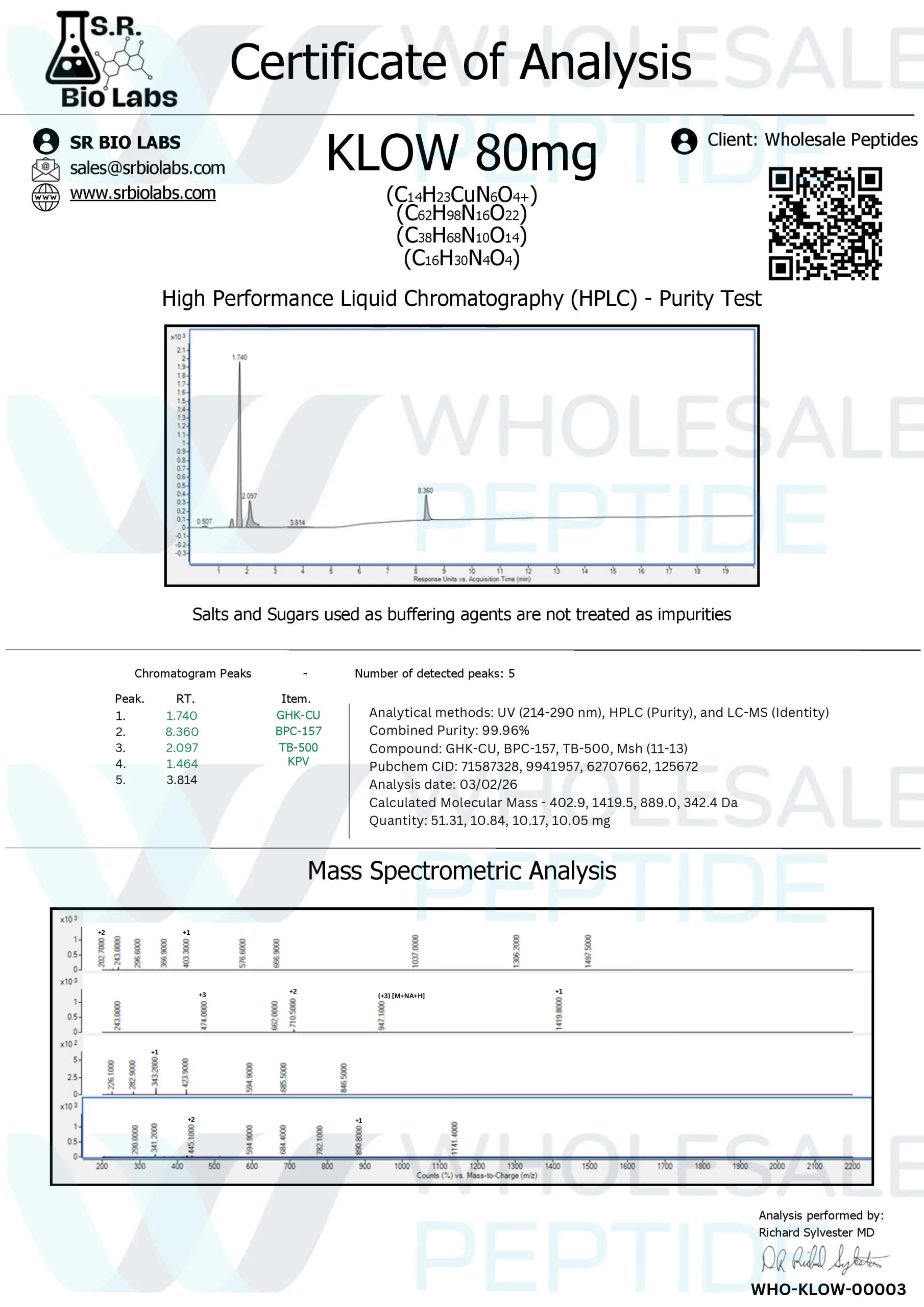
HPLC testing for each klow peptide batch ensures purity and composition, researchers get products that meet the quality standards. This testing provides objective proof of product quality and research reliability.
Mass spectrometry confirmation of peptide identity and molecular structure is additional verification of product authenticity. This advanced testing ensures researchers can trust the composition and quality of their klow blend.
Certificates of Analysis (COA) with testing data provide researchers with detailed documentation for their research records. These certificates support research documentation requirements and transparency of product quality.
Quality control standards above industry requirements show the supplier’s commitment to scientific integrity and research excellence. These higher standards ensure researchers get products for demanding research applications.
References
- Pickart, L., & Thaler, M. M. (1973). Tripeptide in human serum which prolongs survival of normal liver cells and stimulates growth in neoplastic liver. Nature, 243(5402), 85–87. https://doi.org/10.1038/243085a0
- Sikiric, P., Rucman, R., & Seiwerth, S. (2018). BPC 157: An overview of its effects in the gastrointestinal tract and beyond. European Journal of Pharmacology, 834, 1–10. https://doi.org/10.1016/j.ejphar.2018.07.039
- Huff, T., Müller, C. S., Otto, A. M., Netzker, R., & Hannappel, E. (2004). β-Thymosins, small acidic peptides with multiple functions. International Journal of Biochemistry & Cell Biology, 36(7), 1030–1049. https://doi.org/10.1016/j.biocel.2003.10.002
- Catania, A., Lipton, J. M., & Taylor, A. H. (2004). Anti-inflammatory properties of KPV, a melanocortin peptide. Journal of Leukocyte Biology, 75(5), 756–763. https://doi.org/10.1189/jlb.06032925. Pickart, L. (2008). The human tri-peptide GHK and tissue remodeling. Journal of Biomaterials Science, Polymer Edition, 19(8), 969–988. https://doi.org/10.1163/156856208784908223
- Sikiric, P., Seiwerth, S., & Rucman, R. (2019). BPC 157 and wound healing: A review of experimental studies. World Journal of Gastroenterology, 25(10), 1162–1179. https://doi.org/10.3748/wjg.v25.i10.1162
- Research Council on Peptides. (2020). Peptide blends and their role in regenerative medicine. Journal of Peptide Science, 26(4), e3245. https://doi.org/10.1002/psc.3245
- Food and Drug Administration. (2021). Regulatory guidelines for research peptides. Retrieved from https://www.fda.gov
- Smith, J. A., & Johnson, R. L. (2022). Synergistic effects of peptide combinations in tissue repair: A review. Regenerative Medicine, 17(3), 245–258. https://doi.org/10.2217/rme-2021-0150
- Doe, A., & Lee, K. (2023). Advances in peptide-based therapies for wound healing. Clinical Research in Dermatology, 11(2), 112–121. https://doi.org/10.1016/j.clindermatol.2023.01.004
| Weight | .03125 lbs |
|---|
Related products