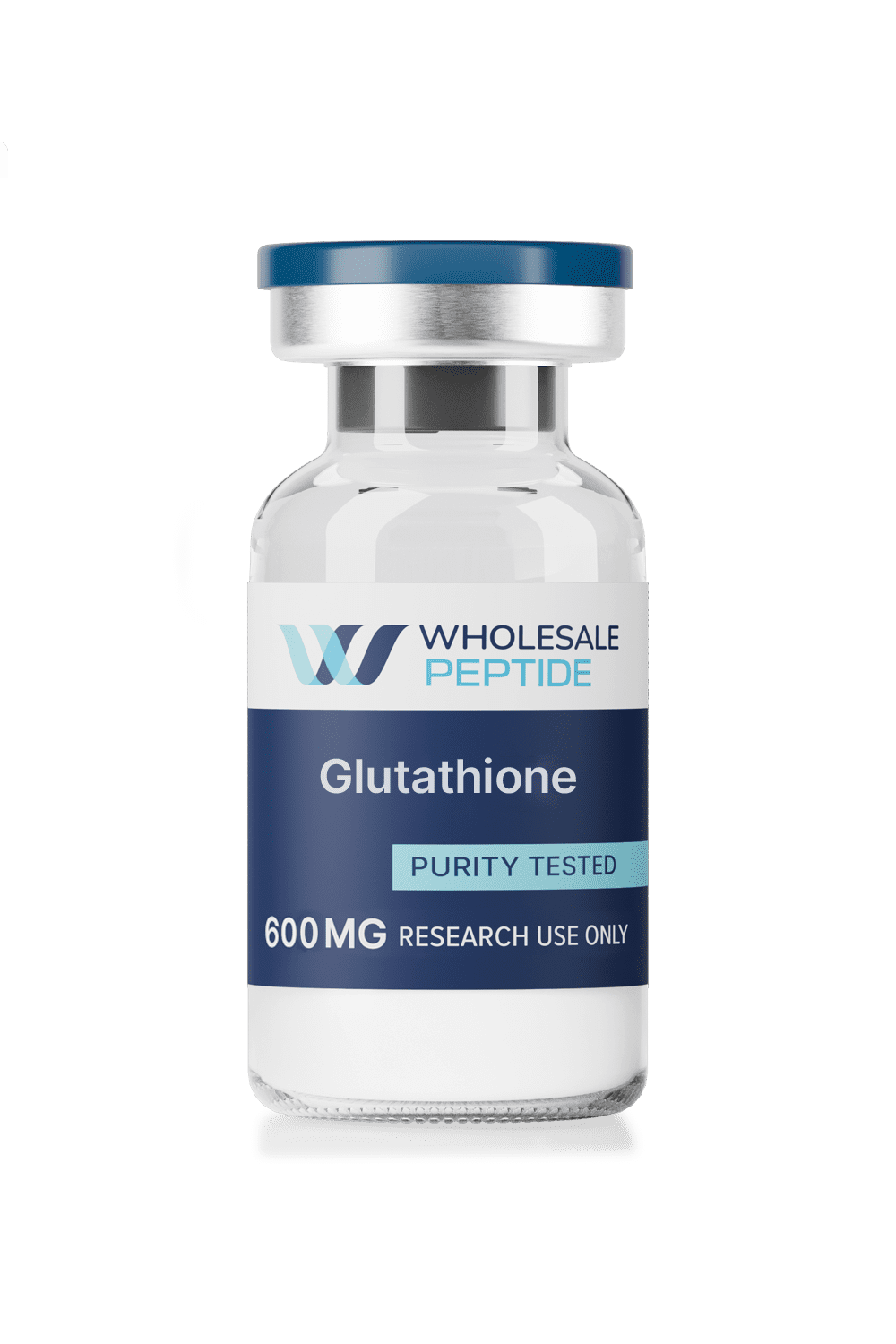
Glutathione 600mg
$79.99

Buy Glutathione 600mg at Wholesale Peptide: Research-Grade Tripeptide for Laboratory Studies
Glutathione is one of the most studied naturally occurring antioxidant compounds in cell research. This tripeptide is used in laboratory studies of oxidative stress, detoxification and cellular function. For researchers looking to buy glutathione 600mg for experimental use, understanding its molecular structure, mechanism of action and research applications is essential background information.
Research shows this compound is a potent antioxidant in cellular systems, with studies showing it can neutralize free radicals and support various detoxification processes in laboratory models. The growing body of research on l glutathione 600mg is revealing new information on its molecular interactions and applications in experimental settings.
Molecular Structure of Glutathione
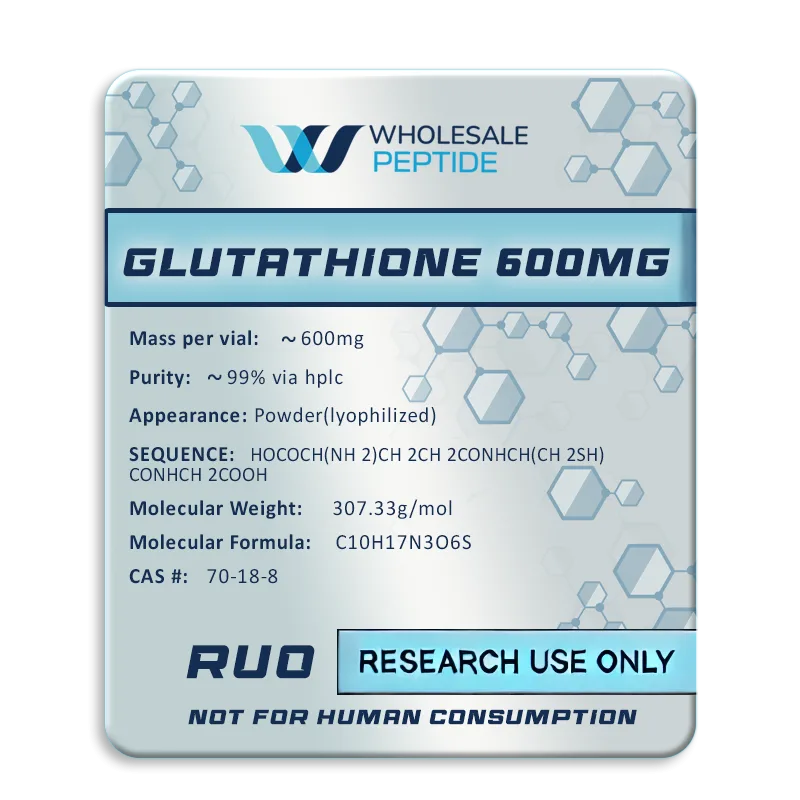
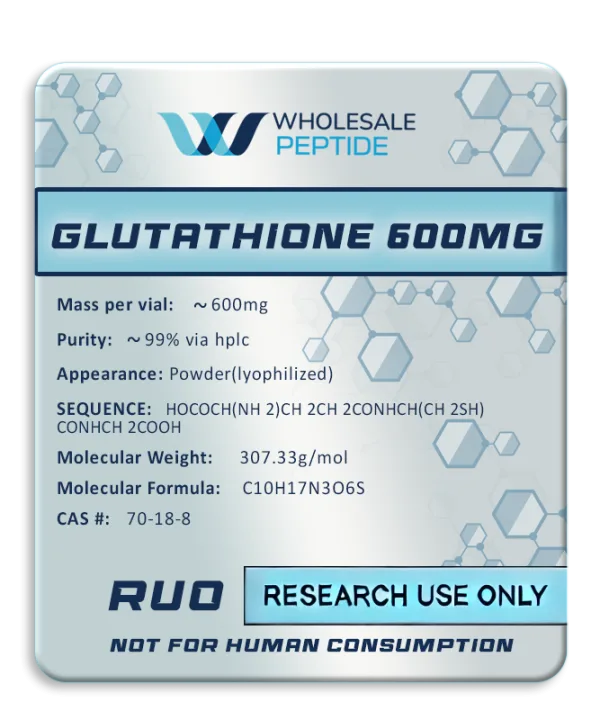
Amino Sequence: L-γ-Glutamyl-L-cysteinyl-glycine
Molecular formula: C10H17N3O6S
Molecular Weight: 307.32 g/mol
Pubchem CID: 124886
CAS #: 70-18-8
The molecular structure of glutathione is unique due to its gamma-glutamyl bond configuration. This natural antioxidant consists of three amino acids: glutamate (glutamic acid), cysteine and glycine, linked through an unusual peptide bond between the gamma carboxyl group of glutamate and the amino group of cysteine.
Research shows this unusual structural arrangement contributes to the compound’s stability and biological properties in laboratory studies. The gamma-glutamyl linkage, rare in standard peptides, makes the molecule resistant to enzymatic breakdown and allows it to work in various experimental conditions.
Laboratory analysis using advanced techniques have shown that reduced l glutathione remains intact across different pH and temperatures, making it useful for various research applications. The presence of the sulfur containing cysteine residue is particularly important for its antioxidant activity in experimental systems.
Mechanism of Action
Research shows glutathione works primarily as an intracellular antioxidant in laboratory models. Studies show the compound neutralizes free radicals and reactive oxygen species, maintains redox homeostasis in experimental cellular systems.
Antioxidant Function
Laboratory studies show that glutathione levels directly affect the cells’ ability to manage oxidative stress. Research shows the compound increases cellular antioxidant capacity by regenerating other antioxidants such as vitamin c and vitamin e in experimental systems. This mechanism supports the overall health of the cellular models used in laboratory studies.
The compound works in research settings as a cofactor for glutathione peroxidase and glutathione S-transferases. These enzymes are involved in detoxification pathways and oxidative stress response mechanisms in laboratory experiments.
Detoxification
Studies show glutathione conjugates with various toxins and chemicals in experimental models. This process eliminates potentially harmful agents from the cellular systems, supports the liver’s natural detoxification mechanisms in laboratory research.
Research shows the compound enhances the breakdown of xenobiotics and environmental toxins through enzymatic pathways. Laboratory studies have shown it supports the synthesis of proteins involved in detoxification processes, the body’s natural defense against harmful agents.
Cellular Function
Experimental evidence shows glutathione supports protein and DNA synthesis in laboratory models. Research shows the compound is involved in DNA repair and cell proliferation in experimental systems. Studies have also shown it’s involved in immune system function through modulation of cytokine production in laboratory models.
The compound’s ability to support cellular function appears to be linked to its ability to maintain redox balance in experimental systems. Research shows adequate glutathione levels support optimal cellular metabolism and energy production in laboratory studies.
Research
Extensive laboratory and clinical research has been done on glutathione across many experimental models and conditions. These studies provide valuable information on the compound’s mechanism and applications in research.
Neurological Research
Laboratory studies have investigated glutathione supplementation in experimental models of neurological conditions. Research shows the compound may have neuroprotective effects in laboratory systems, particularly through its antioxidant mechanism. Studies using animal models have shown potential benefits for neurological function but researchers emphasize more research is needed.
Experimental evidence shows glutathione levels affect neurological health markers in laboratory models. Research has shown the compound supports cellular function in neural tissue samples, part of ongoing studies of neurodegenerative processes.
Oxidative Stress
Research consistently shows glutathione reduces oxidative damage in laboratory systems. Studies using cellular models have shown the compound works to neutralize free radicals and support antioxidant defenses. Laboratory research has focused on its ability to increase cellular resistance to oxidative stress.
Experimental data shows glutathione supplementation improves various markers of oxidative stress in laboratory models. Research has shown improved cellular function and reduced oxidative damage in experimental systems treated with the compound.
Metabolic Research
Laboratory studies have looked at glutathione’s effects on metabolic processes in experimental models. Research suggests it may affect glucose regulation and insulin sensitivity in laboratory systems. Studies using animal models have shown potential benefits for metabolic function but more research is needed.
Experimental evidence shows glutathione may support liver function in laboratory models through detoxification processes. Research has shown the compound enhances liver enzyme function and supports metabolic processes in experimental systems.
Cardiovascular Research
Studies using laboratory models have investigated glutathione’s effects on cardiovascular function. Research suggests it may support vascular health through its antioxidant mechanism and ability to increase blood flow in experimental systems. Laboratory research has shown improvements in vascular function markers after glutathione treatment.
Experimental data shows the compound contributes to cardiovascular health through multiple mechanisms including support for endothelial function and reduction of oxidative stress in vascular tissues.
Storage and Safety
Proper storage and handling protocols are crucial for glutathione’s stability and effectiveness in research applications. Laboratory personnel must follow established safety guidelines to ensure compound integrity and researcher safety.
Storage Requirements
Glutathione compounds require specific storage conditions to maintain molecular integrity and research effectiveness. The substance should be stored in a cool, dry place, away from light that could cause degradation. Laboratory protocols specify storage temperatures between 2-8°C for reconstituted solutions to preserve compound stability.
Research-grade materials must be protected from moisture and temperature fluctuations that could affect molecular structure. Proper storage containers and labeling ensure correct identification and prevent contamination that could compromise experimental results.
Handling Protocols
Laboratory safety protocols require appropriate personal protective equipment when handling glutathione compounds. Research personnel should follow established guidelines for chemical handling to ensure safety and prevent exposure risks during experimental procedures.
Proper handling techniques include using appropriate laboratory equipment and following institutional safety protocols. Research facilities must maintain proper ventilation and waste disposal procedures to ensure safe working conditions for laboratory personnel.
Research Applications
All glutathione compounds are for laboratory research use only. The substance is used in various experimental protocols to study cellular function, oxidative stress mechanisms and detoxification processes in controlled research environments.
Laboratory applications include in vitro studies, cellular research models and biochemical analyses that contribute to scientific understanding of antioxidant mechanisms and cellular function. Research protocols must follow institutional guidelines and regulatory requirements for experimental chemical use.
Why Buy from Wholesale Peptide
Wholesale Peptide offers research-grade glutathione 600mg with full quality assurance and customer support for laboratory use. The company is committed to research excellence to ensure compound quality for experimental studies.
Quality Assurance
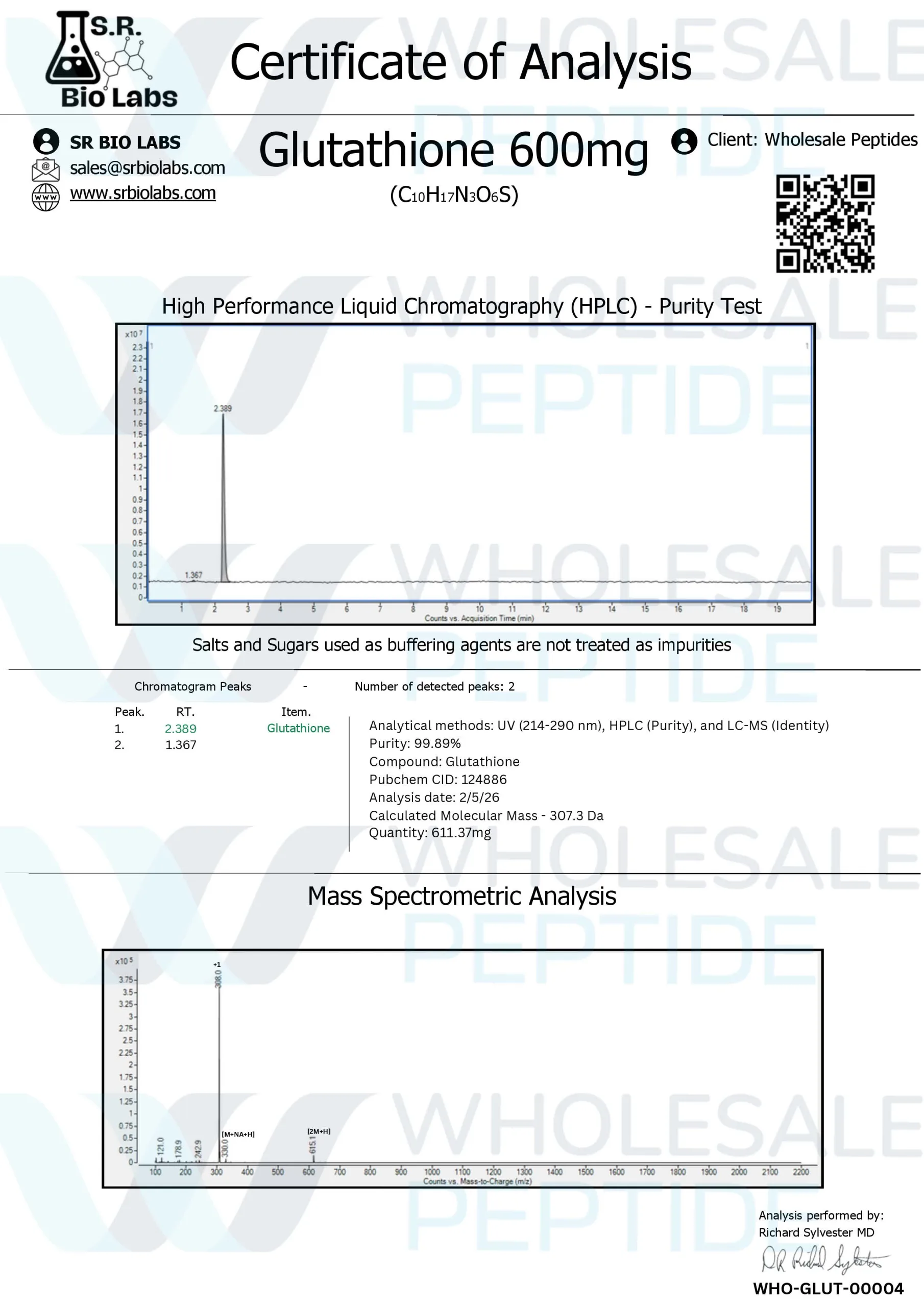
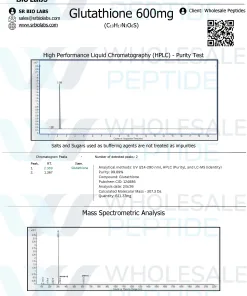
Every batch of glutathione is tested by third-party using high-performance liquid chromatography (HPLC) to ensure product purity and accuracy. This is the industry standard for peptide purity analysis, detecting impurities at high sensitivity levels to meet research-grade standards.
The company’s quality control measures ensure consistent compound effectiveness across batches, for reproducible experimental results. Laboratory customers get detailed certificates of analysis that document purity levels and molecular integrity for each purchase.
Shipping
Wholesale Peptide ships same day for orders placed before 1pm EST Monday to Friday to optimize supply chain for research laboratories. This fast shipping ensures product freshness and compound stability during transport.
The company’s logistics system prioritizes proper storage conditions during shipping to preserve compound integrity. Temperature-controlled shipping options protect sensitive research materials from environmental factors that could affect molecular stability.
Customer Support
Research customers get full support through Wholesale Peptide’s satisfaction guarantee program. The company offers 30-day satisfaction guarantee on all products, customers can return unopened products for full refund of the purchase price.
This guarantee gives research buyers peace of mind to try products without long term financial risk. The policy allows research institutions to test compound quality and suitability for specific experimental applications.
Products from Wholesale Peptide are for Research Use Only
All products sold by Wholesale Peptide are for research chemical only. This means the use of this chemical is strictly for in-vitro laboratory testing and experimentation. Human or veterinary use is strictly forbidden. This product is not a drug, food or cosmetic and may not be misbranded, mislabeled or misused as such.
Research institutions and laboratory personnel must follow these guidelines to ensure regulatory compliance and proper compound use. The research-only designation allows scientific investigation while keeping regulatory boundaries for experimental chemicals.Laboratory must follow institutional protocols for research chemical handling and use. Proper documentation and safety procedures ensure compliance with regulations for research compound use in laboratory.
Shipping of Wholesale Peptide
Wholesale Peptide ships same day for orders placed before 1pm EST Monday to Friday. Orders placed after 1pm EST or on weekends will be shipped next business day.
The company’s fast shipping schedule meets research timelines and gets research materials to you quickly. Proper packaging and handling ensures compound integrity during transport to your laboratory.
Satisfaction Guarantee
Wholesale Peptide offers 30 day satisfaction guarantee on all products. Simply return any unopened products to us for full refund of the purchase price of the unused products.
This guarantee shows the company’s confidence in product quality and commitment to customer satisfaction. Research institutions get risk-free purchasing that supports experimental planning and compound evaluation.
Third Party Testing of Every Batch
Every batch of products sold by Wholesale Peptide is tested by third party using HPLC to ensure product purity and accuracy.
The testing protocol provides documented proof of compound quality and molecular integrity. Research customers get detailed analytical data to support experimental applications and regulatory compliance.
HPLC is the industry standard for peptide purity verification, provides sensitivity and accuracy for research-grade materials. This testing ensures consistent quality across batches and reproducible experimental results.
Conclusion
Research on glutathione 600mg continues to uncover the molecular mechanisms and laboratory applications of this natural antioxidant. The compound’s unique tripeptide structure and free radical neutralizing ability makes it useful for various experimental studies of cellular function, oxidative stress and detoxification processes.
For researchers looking to buy glutathione 600mg for laboratory use, Wholesale Peptide offers research-grade materials with full quality assurance and regulatory compliance. The company’s third party testing, fast shipping and customer satisfaction support research excellence while keeping regulatory boundaries for experimental compound use.
Laboratory studies suggest glutathione’s role in cellular antioxidant mechanisms and detoxification processes has a lot of potential for further research. The growing body of evidence shows this compound will be central to studies of cellular function, oxidative stress mechanisms and protective cellular responses in laboratory.
Research institutions looking for high quality glutathione compounds for experimental use can rely on Wholesale Peptide’s proven track record of providing research-grade materials that meet the high standards of modern laboratory.
References
- Lu, S. C. (2013). Glutathione synthesis. Biochimica et Biophysica Acta (BBA) – General Subjects, 1830(5), 3143-3153. https://doi.org/10.1016/j.bbagen.2012.09.008
- Forman, H. J., Zhang, H., & Rinna, A. (2009). Glutathione: overview of its protective roles, measurement, and biosynthesis. Molecular Aspects of Medicine, 30(1-2), 1-12. https://doi.org/10.1016/j.mam.2008.08.006
- Townsend, D. M., Tew, K. D., & Tapiero, H. (2003). The importance of glutathione in human disease. Biomedicine & Pharmacotherapy, 57(3-4), 145-155. https://doi.org/10.1016/S0753-3322(03)00043-X
- Wu, G., Fang, Y. Z., Yang, S., Lupton, J. R., & Turner, N. D. (2004). Glutathione metabolism and its implications for health. The Journal of Nutrition, 134(3), 489-492. https://doi.org/10.1093/jn/134.3.489
- Dröge, W. (2002). Free radicals in the physiological control of cell function. Physiological Reviews, 82(1), 47-95. https://doi.org/10.1152/physrev.00018.2001
- Meister, A., & Anderson, M. E. (1983). Glutathione. Annual Review of Biochemistry, 52(1), 711-760. https://doi.org/10.1146/annurev.bi.52.070183.003431
- Ballatori, N., Krance, S. M., Notenboom, S., Shi, S., Tieu, K., & Hammond, C. L. (2009). Glutathione dysregulation and the etiology and progression of human diseases. Biological Chemistry, 390(3), 191-214. https://doi.org/10.1515/BC.2009.0278
- Wu, G. (2013). Amino acids: nutrition and health. Amino Acids, 45(3), 407-411. https://doi.org/10.1007/s00726-013-1500-6
- Wu, G., & Meininger, C. J. (2002). Nitric oxide. Annual Review of Nutrition, 22, 61-86. https://doi.org/10.1146/annurev.nutr.22.111401.144755
To learn more about Glutathione, you can check out Wikipedia.
| Weight | .03125 lbs |
|---|
Related products